
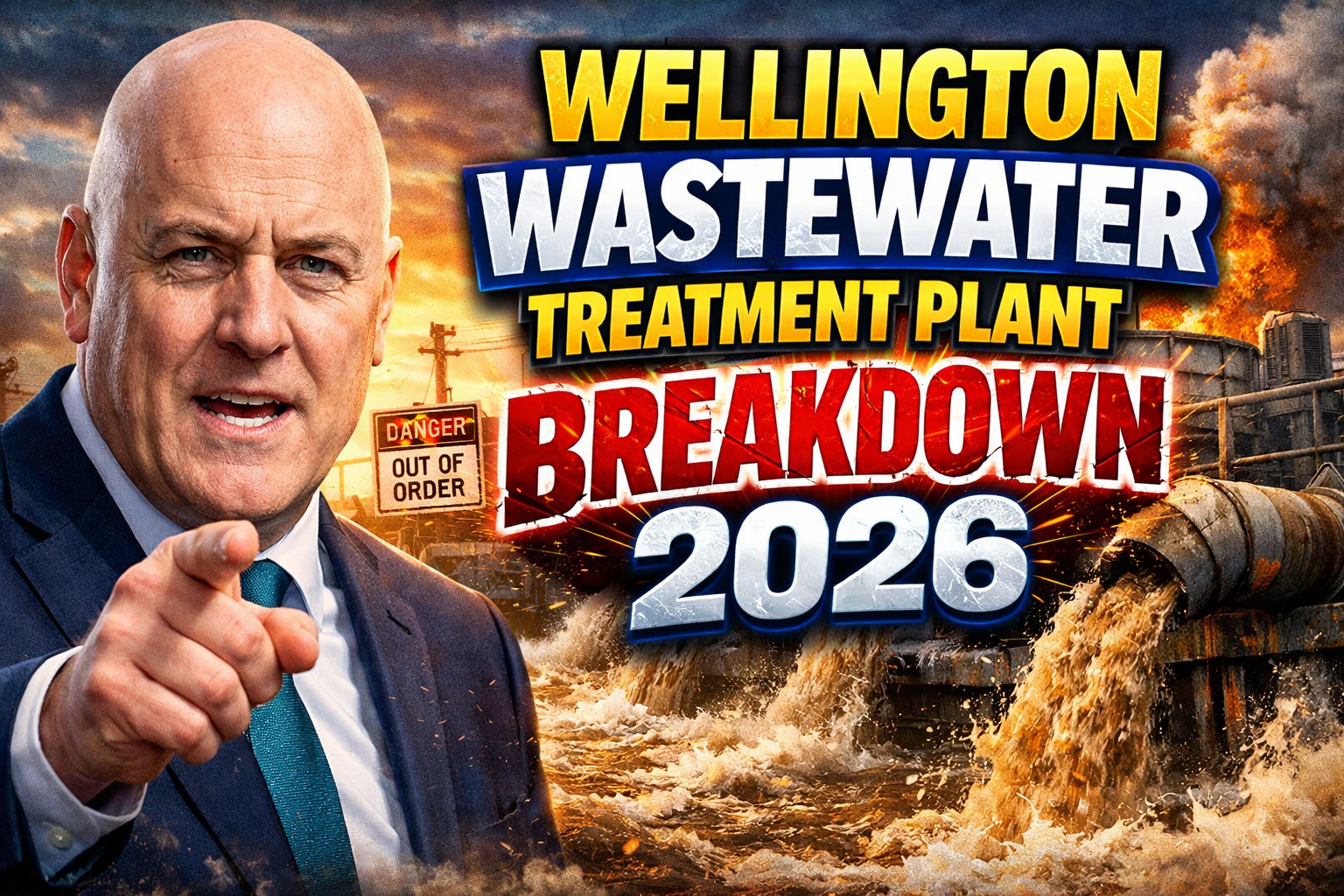
Wellington faces an environmental nightmare as the Moa Point Wastewater Treatment Plant suffers a catastrophic failure, spilling millions of litres of untreated sewage into local waters. Heavy rains triggered the breakdown, exposing decades of underinvestment and governance woes in the capital’s water infrastructure.
A power failure during heavy downpours flooded the lower levels of Wellington’s Moa Point plant, halting treatment and forcing raw sewage through a short emergency pipe into the sea. Over seventy million litres daily poured out initially, prompting beach closures and urgent health alerts across the south coast. Wellington Mayor Andrew Little labelled it a catastrophic environmental disaster, demanding accountability amid public fury.
Residents watched helplessly as their pristine summer beaches turned foul, with seagulls scavenging waste and waves carrying contaminants. Official rāhui from Ōwhiro Bay to Breaker Bay banned swimming, shellfish gathering, and pet access, shattering coastal lifestyles. As crews scramble to restore a longer outfall, questions mount over why a modern facility failed so utterly.
What Happened at Moa Point
The crisis erupted around one a.m. on a stormy Wednesday when sewage backed up the 1.8-kilometre outfall pipe, overwhelming lower plant levels. Flooding damaged eighty percent of equipment, from pumps to screens, during ongoing upgrades meant to cut discharges. Raw waste diverted to a mere five-metre pipe near Tarakena Bay, spewing directly onto the shore.
By Thursday, partial screening removed sanitary items and wipes, redirecting most flow offshore via the long pipe at nine hundred litres per second. Peak times still force short outfall use, prolonging risks. Wellington Water admitted confusion over the main pipe’s capacity failure, sparking probes into overlooked warnings.
Environmental Devastation
Cook Strait’s currents dilute some effluent, but near-shore spills threaten reefs, seabirds, and fish stocks. Protected reserves face biohazard loads, with bacteria levels spiking dangerously. Beaches lie abandoned, warning signs dotting paths once bustling with joggers and families.
Shellfish beds, vital to Māori communities, sit under rāhui, halting traditional harvests. Marine mammals risk ingestion, while sediments trap toxins long-term. Scientists warn of algal blooms if nutrients persist, echoing global sewage crisis patterns.
Stats and Spill Impact Table
Hard numbers reveal the scale—daily volumes rival small rivers, with damage timelines stretching months. Coastal stretches suffer most from proximity discharges.
Public Health and Safety Measures
Health authorities urged avoiding seawater spray, dog walks, and kaimoana collection, citing E. coli and pathogen surges. Testing stations monitor bacteria, but full safety may lag months. Hospitals prepare for gastrointestinal spikes, while vets report pet illnesses.
Schools cancelled beach trips; events halted. Lifeguards patrol perimeters, enforcing bans amid reports of defiant swimmers.
Governance and Management Failures
Wellington Water, a council utility contracting French firm Veolia, oversees amid tangled local layers. CEO Pat Dougherty conceded underinvestment and missed signs, fueling Mayor Little’s shock at absent backups. Complexity blurred authority, delaying fixes.
National reforms axed Three Waters centralization, pushing local entities like incoming Tiaki Wai from July. Minister Simon Watts launched a crown inquiry, vowing recurrence prevention through mandated funding.
Community Outrage and Reactions
South coast locals decried the gross betrayal of their jewel—surfers called it inexcusable, divers tallied financial hits from gear quarantines. Social media raged at recurring overflows, blaming upgrades for vulnerability. Prime Minister backed probes, acknowledging systemic woes.
Heartbreak gripped whānau, traditions upended by tainted moana.
Economic Fallout
Tourism operators count losses from empty rentals and cancelled charters. Divers face idle seasons, fishers market woes. Cleanup bids soar into millions, ratepayer burdens amid repair marathons.
Retail near beaches slumps; events like summer festivals vanish.
Repair and Recovery Efforts
Crews pumped out flooded zones, assessing wreckage over weekends. Long outfall maximization limits short pipe reliance, but full treatment awaits equipment rebuilds. Tiaki Wai promises streamlined ops, backed by reform laws enforcing investments.
Inquiry timelines demand root causes—design flaws, maintenance lapses.
Lessons from Past Incidents
Chronic wet-weather spills plagued summers, notifications routine. Upgrades, long overdue, ironically halved capacity mid-crisis. Underfunding reports ignored, patterns repeating nationwide.
Broader Infrastructure Challenges
Aging pipes burst routinely, flooding streets with waste. Coalition’s localist reforms test resilience, rejecting centralized fixes. Cities like Christchurch echo plights, national audits looming.
Future Prevention Strategies
Redundant power, oversized pipes, and real-time sensors top wishlists. Community reporting apps, transparent funding models build trust. Full upgrades prioritize resilience, climate-proofing for intensifying storms.

Lance Evans is a contributor at CSKHYBER.co.nz covering New Zealand and Australia news, with a focus on trending updates and public-interest stories.