

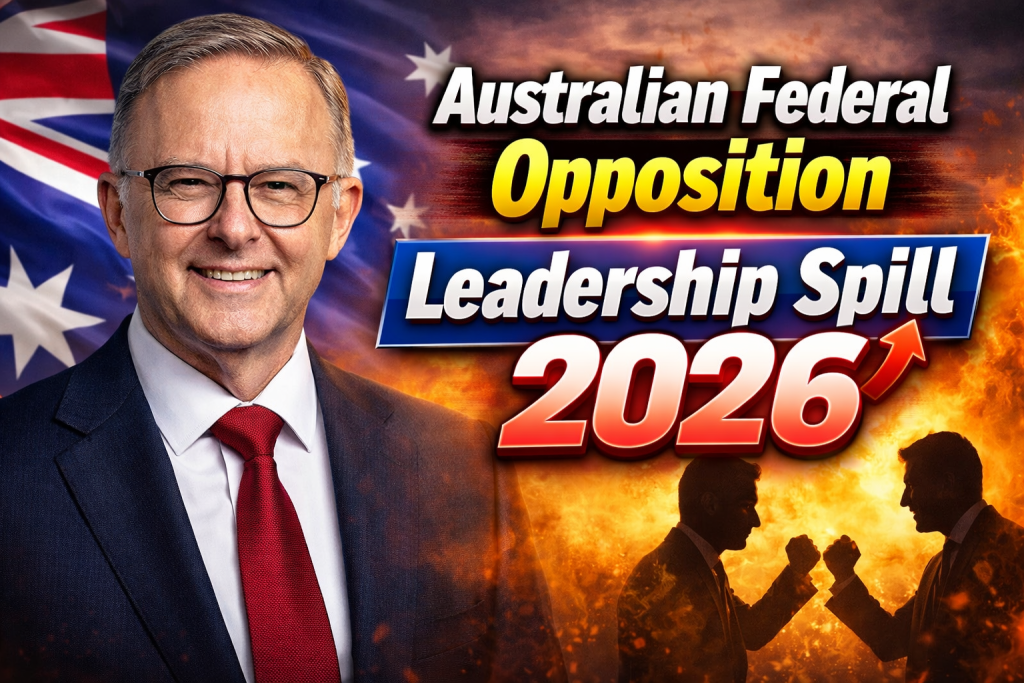
The Australian Liberal Party faces its most turbulent leadership crisis since the 2025 election defeat, with Angus Taylor launching a direct bid to oust Sussan Ley as opposition leader. Taylor’s announcement triggered a cascade of frontbench resignations, exposing deep factional rifts and plunging the Coalition into disarray. As party room tensions boil over, this spill could redefine the opposition’s path ahead of the 2028 polls.
Timeline of the Leadership Drama
The spill erupted on Thursday when Angus Taylor confirmed his candidacy for Liberal leadership, declaring Australia “worth fighting for” amid national troubles. This followed weeks of simmering unrest, sparked by dismal polls showing Coalition support eroding to One Nation’s benefit. Taylor resigned from Ley’s frontbench on Wednesday, the first domino in a wave of departures.
Back in May 2025, Ley narrowly edged Taylor 29-25 after Peter Dutton’s election loss, promising unity. Yet nine months later, conservative frustrations peaked. Late January whispers of Taylor plotting with Andrew Hastie gained traction, while right-faction senators like Jane Hume warned of party “non-existence” without change. By Tuesday, spill motion talks intensified, delayed only by Senate estimates. Thursday morning saw six shadow ministers quit, forcing a party room showdown.
Media frenzy captured the chaos: Xinhua reported Taylor’s vow for “clarity, courage, and confidence,” while ABC noted momentum firming as even Ley ally James McGrath defected. This rapid unraveling underscores how polling woes—described as “diabolical”—galvanized action.
Angus Taylor’s Rise and Ambition
Angus Taylor, 59, embodies the Liberal right’s intellectual heavyweight, blending Rhodes Scholar credentials with energy sector expertise. A former MP for Hume since 2013, he served as energy minister under Morrison, pushing net-zero skepticism and gas-led recovery. Post-2022, shadow treasurer duties honed his economic attack lines against Labor’s budget blowouts.
Taylor pitches himself as the antidote to Ley’s perceived indecisiveness, vowing robust opposition on cost-of-living, migration, and security. Colleagues praise his data-driven style, though critics like Guardian profiles label him “style over substance”—a glossy CV masking inaction. His 2025 near-miss fuels narrative of unfinished business, with conservatives viewing him as Dutton’s natural successor.
Supporters highlight his factional clout in the National Right, rallying MPs weary of Ley’s moderation. Taylor’s Melbourne huddles with Hastie allies signal a coordinated push, framing the spill as renewal, not revenge.
Sussan Ley Under Fire
Sussan Ley’s leadership, born of post-election desperation, crumbled under relentless pressure. Elected narrowly over Taylor, she navigated Coalition reunions and internal splits, yet polls reflected voter drift. Defenders like Alex Hawke insist she holds majority backing, dismissing speculation as routine.
Challenges mounted: One Nation’s surge siphoned conservative votes, while moderates fretted her rightward tilt alienated urban seats. Ley’s absence from key debates—tied to estimates—allowed Taylor’s narrative to dominate. Recent barbs from Hume and Sarah Henderson painted her tenure as a “true crisis,” urging reflection alongside Nationals’ David Littleproud.
Ley faces a stark party room vote, her slim 2025 margin now eroded by resignations. Backers urge resilience, but momentum suggests an uphill fight.
Frontbench Exodus Details
The resignations struck like aftershocks, gutting Ley’s shadow ministry. Taylor led Wednesday, quitting as shadow treasurer. Thursday brought five more: Michaelia Cash (shadow attorney-general), James McGrath (key Ley ally), and others including Jonno Duniam, Jane Hume’s circle, and right-faction powerbrokers.
Cash cited “party in trouble,” echoing Taylor. McGrath’s defection—stunning given loyalties—tipped scales, per ABC analysis. Total: six departures by morning, paralyzing operations. Quitters demand spill clarity, backing Taylor to end “damaging uncertainty.”
This purge exposes frontbench fragility, forcing Ley to scramble for loyalists amid public bloodletting.
Factional Warfare Intensifies
Liberals’ right faction, Taylor’s stronghold, orchestrated the coup, blending Hume’s warnings with Hastie sympathizers. Moderates rally to Ley, fearing conservative overreach risks city electorates. Victorian Senator Sarah Henderson’s “uncharted territory” plea bridges divides, but tensions simmer.
Post-2025 realignment amplified rifts: Coalition split-reunion left scars, with One Nation poaching right-wing voters. Taylor’s energy hawkishness clashes with Ley’s broader appeal, testing party unity. Spill mechanics favor numbers—right’s discipline vs Ley’s relational web.
Observers note Taylor’s delay frustrated allies, yet timing post-polls proved potent.
Polling Shifts Snapshot
| Metric | Pre-Spill (Jan 2026) | Spill Week (Feb 2026) | Trend Notes |
|---|---|---|---|
| Coalition Primary Vote | 32% | 30% | Erosion to One Nation |
| Two-Party Preferred | 48-52 vs Labor | 47-53 vs Labor | Labor lead widens |
| Favorable for Ley | 35% | 28% | Net negative plunges |
| Taylor Favorability | 42% | 45% | Conservative bump |
| One Nation Support | 8% | 12% | Right-wing flight |
These figures, drawn from recent surveys, highlight voter fatigue fueling the spill.
Core Policy Clashes
Economics dominates: Taylor slams Labor’s deficits, pledging tax cuts and deregulation. Energy pits his gas advocacy against net-zero consensus, risking green voter backlash. Migration hardens under Taylor, targeting boat arrivals and housing strains—echoing Dutton era.
Health and housing, Ley strengths, fade amid chaos. Spill winner inherits cost-of-living war, with RBA hikes amplifying mortgage pain. Taylor eyes “clarity” on these, positioning Liberals as Labor’s foil.
Spill Vote Scenarios
Friday’s party room looms decisive. Taylor needs 50% plus one; six resignations suggest edge. Ley could counter with moderates, delaying via procedural votes. Success triggers ballot: Taylor vs Ley, potentially Hastie wildcard.
Victory for Taylor demands shadow cabinet rebuild, unifying factions. Ley survival unlikely, but comeback tales exist. Labor sharpens Question Time barbs, exploiting disarray.
Road Ahead for Liberals
Spill resolution reshapes opposition. Taylor win accelerates rightward shift, energizing base but alienating centers. Ley ouster risks moderates fleeing to independents. Coalition ties strain if Nationals balk.
By 2028, victor faces entrenched Labor. Taylor’s age—prime ministerial shot by 2031—adds stakes. Unity imperative: polls demand focus beyond personalities.
Polls stabilize post-spill, but voters punish infighting. Liberals must rally around winner, forging credible alternative amid economic headwinds.
Final Reflections
Angus Taylor’s leadership gambit, sparking frontbench revolt, marks Liberal nadir—or pivot. From Taylor’s resignation to six quits, this spill lays bare post-2025 fractures. Success hinges on channeling unrest into vision, restoring voter faith.

Lance Evans is a contributor at CSKHYBER.co.nz covering New Zealand and Australia news, with a focus on trending updates and public-interest stories.