
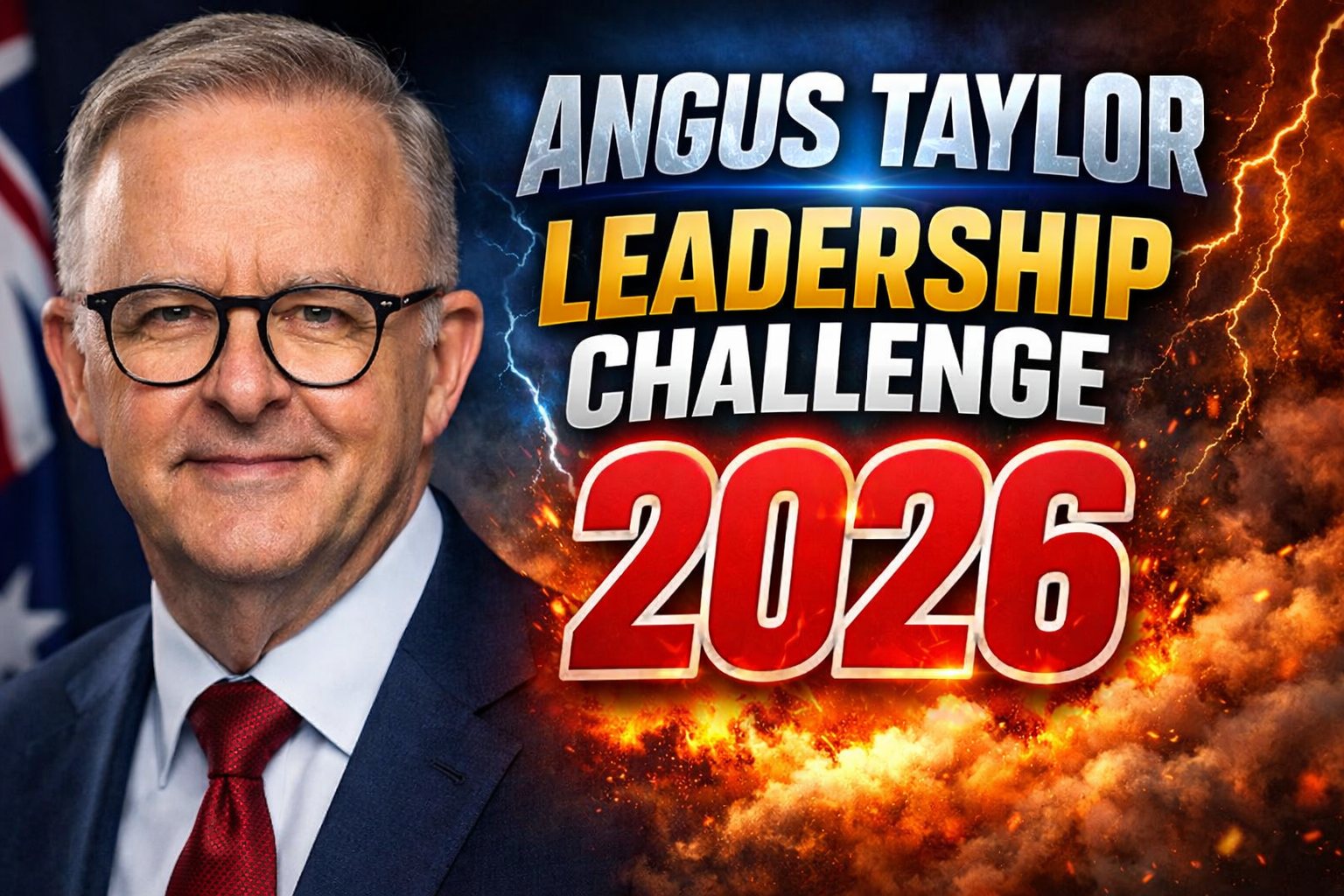
The Liberal Party grapples with internal turmoil as Shadow Defence Minister Angus Taylor faces mounting pressure to challenge Opposition Leader Sussan Ley for the top job. Speculation reached fever pitch this week, threatening to paralyse the Coalition amid dismal polling and factional rifts.

Background to the Challenge
Angus Taylor, a prominent conservative figure, has long been eyed as leadership material within the party’s right wing. Nine months ago, Ley narrowly defeated him in a party room ballot following a period of Coalition instability. Taylor’s shadow defence role kept him frontbench-visible, but whispers of discontent grew as polls showed the Liberals’ primary vote slumping to historic lows.
Recent Newspoll data painted a grim picture: Coalition support at 18 percent, trailing One Nation by nine points. Conservative MPs blame Ley’s centrist tilt for alienating the base, especially after a brief Coalition split and hasty reunion with the Nationals. Taylor’s allies, including senators Jane Hume and Sarah Henderson, have publicly urged course correction, framing the party as adrift without bold change.
Taylor himself has remained coy, pledging Ley would be first to know of any move. Supporters plot a spill motion, potentially via mass frontbench resignations as early as Wednesday, echoing tactics from past leadership battles. Ley’s camp dismisses the noise, insisting her 29-25 victory margin holds firm.
Key Players and Factions
The drama pits conservatives against moderates in a high-stakes showdown. Taylor commands the right faction’s loyalty, bolstered by figures like Andrew Hastie, whose backers see him as a deputy contender. Hume’s stark warning of party non-existence without change signals deepening frustration, while Henderson decries uncharted territory.
Ley draws strength from moderates and centre-right independents. Senior voices like Alex Hawke downplay speculation, arguing no challenger has stepped forward. Nats Leader David Littleproud’s role looms large—conservatives demand reflection on his leadership too, amid fears of One Nation poaching rural seats.
External pressures amplify divides: Taylor’s economic credentials appeal to business wings, while Ley’s social moderation suits urban seats. Hastie’s defence expertise adds another layer, with some eyeing him as a unity candidate.
| Faction/Figure | Stance on Spill | Key Influences | Potential Role |
|---|---|---|---|
| Taylor Supporters | Push immediate challenge | Polling woes, base erosion | Leader |
| Ley Moderates | Defend status quo | Party room majority, stability | Retain leadership |
| Hastie Allies | Watching, open to spill | Defence profile, conservative | Deputy or alternate leader |
| Hume/Henderson | Urge urgent reflection | Right-wing senators | Spill advocates |
This breakdown reveals the delicate numbers game at play.
Timeline of Speculation
Tensions simmered from late January, with Taylor hinting at ambitions during media rounds. Hastie’s factional talks in Melbourne last month unified the right behind Taylor as sole contender. February escalated: Monday’s public barbs from Hume and others crystallised momentum.
Tuesday’s party meeting bypassed spill chances due to senate estimates, pushing action to Friday’s potential special session. Frontbench resignations loomed as a forcing mechanism, designed to expose weaknesses on both sides. Ley warned disunity spells death, urging focus on Labor critiques.
By mid-week, sources confirmed Taylor’s camp miscalculated timing post-Hastie huddle, frustrating backers. One MP quipped Taylor’s finished without action, underscoring do-or-die stakes.
Polling and Electoral Context
Dire surveys fuel the fire. Coalition primary vote cratered post-reunion, with One Nation surging on anti-establishment vibes. Urban moderates haemorrhage to independents, while regionals flirt with minor parties. Internal modelling predicts seat losses stacking against 2028 polls.
Taylor pitches small-target discipline: cut waste, boost defence, hammer net zero costs. Ley counters with broader appeal, but conservatives decry soft opposition. External shocks—economic slowdowns, security threats—heighten urgency for decisive voice.
Victorian and NSW branches sound alarms: diabolical numbers demand reset. Henderson’s crisis call resonates, positioning spill as survival tactic.
Potential Outcomes of a Spill
A Taylor victory reshapes the party. Expect shadow ministry purge favouring right-wingers: Hastie to defence or home affairs, economic heavies like Jane Hume to treasury. Policy sharpens—scaled-back emissions targets, tax cuts prioritised, muscular Pacific stance.
Ley retention stabilises short-term but risks haemorrhage. Moderates digging in could fracture unity, inviting no-confidence motions. Hastie wildcard emerges if Taylor falters, blending conservative grit with broader appeal.
Deadlock scenario prolongs paralysis: protracted ballot erodes public trust, gifting Labor airtime. Resignation waves force Ley’s hand, but botched spill rebounds on instigators.
| Scenario | Likelihood | Party Impact | Policy Shifts |
|---|---|---|---|
| Taylor Wins | Moderate-High | Rightward tilt, base energised | Tougher econ/defence focus |
| Ley Survives | Moderate | Temporary calm, lingering doubt | Centrist continuity |
| Hastie Rises | Low | Unity pitch, fresh face | Balanced conservative |
| No Spill | Declining | Paralysis, poll bleed | Status quo drift |
Projections hinge on peeling centre-right votes.
Historical Parallels
Echoes of 2018 abound: Turnbull’s mass resignation ploy against Dutton, spilling leadership amid polling woes. Taylor’s strategy mirrors that brinkmanship, betting Ley blinks first. Morrison’s 2021 near-miss with Frydenberg shows spills rebound if mistimed.
Dutton’s 2022 ascension unified conservatives post-messy moderate era, validating right-wing bets. Ley’s narrow win recalls Abbott’s ousting—initial stability unravels under pressure. Lessons: act decisively, consolidate post-victory.
Implications for Coalition Dynamics
Liberals-Nationals ties strain under scrutiny. Littleproud faces parallel pressure, with Canavan lurking. Spill risks asymmetrical fallout: Liberals lurch right, alienating Nats’ rural moderates. Reunion fragility exposed, tempting One Nation wedges.
Joint policy stalls during chaos—defence white paper delays, budget replies falter. Labor capitalises, painting incompetence. Long-term, winner must court crossbench for supply confidence.
Broader Party Renewal Questions
Beyond leadership, soul-searching intensifies. Membership plebiscites gain traction, diluting factional kings. Women’s quotas, youth wings address demographic gaps. Digital strategy overhaul counters Labor’s machine.
Taylor embodies renewal for some: Rhodes Scholar smarts, farmer roots, no-nonsense vibe. Detractors cite wooden delivery, policy rigidity. Ley offers experience, relatability, but lacks killer instinct per critics.
Public and Media Reaction
Pundits feast on drama: Sky News amplifies conservative gripes, ABC probes factionalism. Social media erupts—hashtags trend, memes mock paralysis. Voter fatigue sets in: polls show 60 percent view spills negatively, craving policy over personalities.
Business Roundtable urges stability for investment signals. Unions revel in Opposition disarray, plotting union-busting countermeasures.
Taylor’s Strengths and Weaknesses
Pros: Economic pedigree from treasury days, defence gravitas amid AUKUS push, base firebrand on energy wars. Proven vote-getter in Hume, appeals regions craving authenticity.
Cons: Polarising style alienates city moderates, past leadership loss dents aura. Reluctance frustrates allies, risking hesitancy label.
Ley counters: Broad church manager, gender milestone, steady QT performer. Vulnerabilities: perceived weakness, policy fuzziness.
Path Forward for Liberals
Spill forces reckoning: define values post-Dutton. Taylor win mandates small government reboot; Ley survival demands spine-stiffening. Unity pacts post-battle essential—shadow ministry balances factions.
Eyes on 2028: rebuild urban seats, fortify regions. Hastie as dark horse unites, but timing critical. External wins—expose Labor rorts, security scares—aid consolidation.
Voter Impact and 2028 Outlook
Public tires of Canberra circus, boosting minor parties. Core Liberals hold, but swing voters punish chaos. Winner inherits uphill battle: Labor fortress in treasuries, Albanese approval steady.
Strategic pivot needed: cost-of-living laser-focus, migration curbs, China hawks. Base mobilisation via town halls counters apathy.
Leadership Qualities in Crisis
Modern demands: communicator-in-chief, policy visionary, unifier. Taylor’s data-driven edge suits tech-era fights; Ley’s empathy woos heartland. Success metrics: poll reversal within quarters, policy wins.
Party elders whisper intervention, but rules bar it. Resolution looms this week—inaction deadliest option.
Rebuilding Trust Post-Challenge
Post-spill, communication blitz: leader’s essay series, regional tours. Shadow team refresh signals intent. Cross-party respect rebuilds chamber cred.
Membership drives, preselection reforms democratise. Digital war room combats fake news.
The Taylor challenge crystallises Liberal crossroads: cling to centre or reclaim right? Outcome shapes opposition decade. Ley’s defiance meets Taylor’s moment—party fate hangs in party room balance.

Lance Evans is a contributor at CSKHYBER.co.nz covering New Zealand and Australia news, with a focus on trending updates and public-interest stories.