
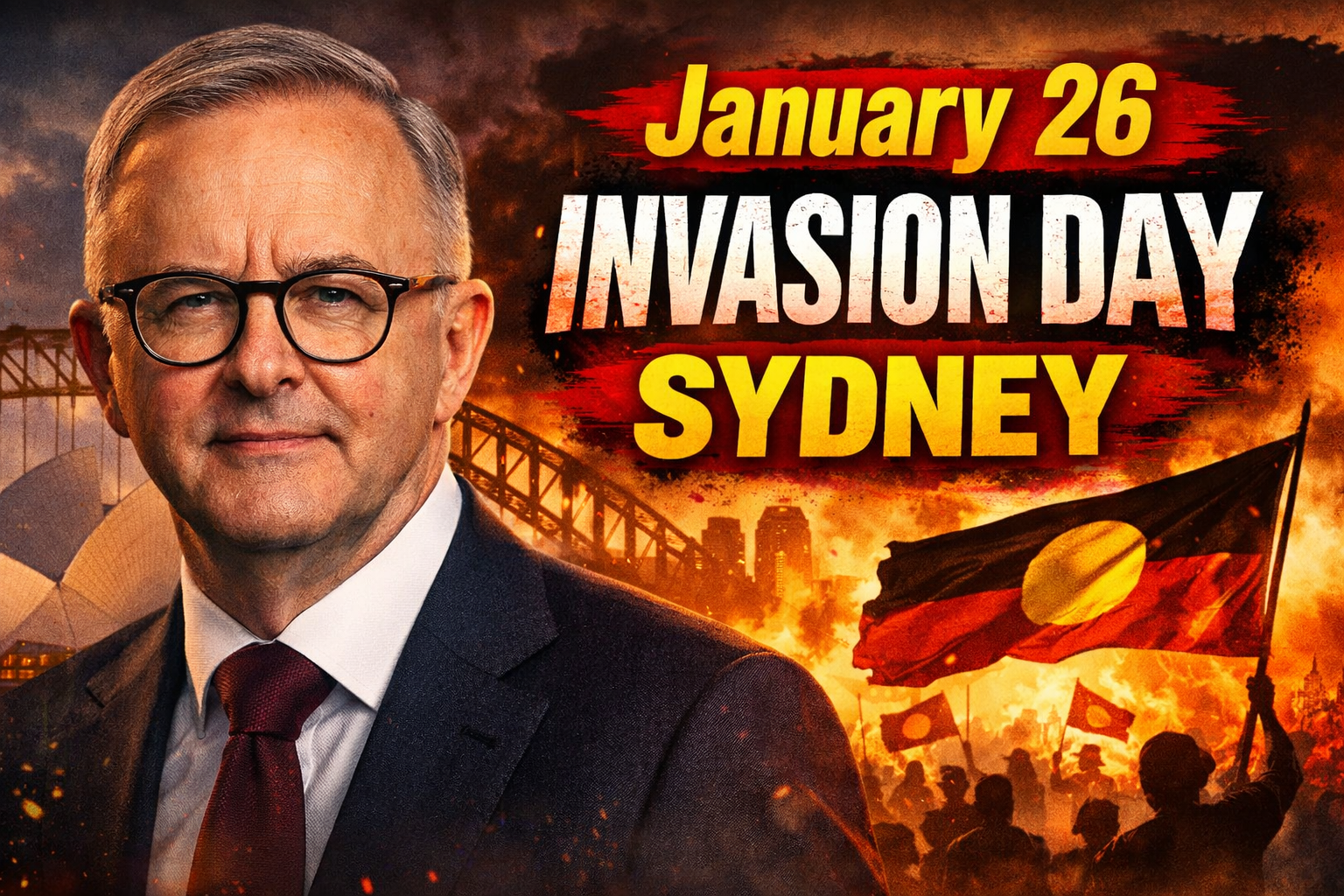
Sydney’s annual Invasion Day protests on January 26, 2026, ignite fierce debates over Indigenous rights, colonial legacies, and freedom of assembly amid New South Wales’ tightened police powers. Organizers plan massive rallies at Hyde Park despite a controversial ban extension tied to the December 2025 Bondi terror attack, sparking legal challenges from rights groups and civil libertarians. These gatherings spotlight Indigenous deaths in custody, marking a decade since David Dungay Jr’s tragic passing, with 33 First Nations fatalities recorded in 2024-25—the highest since 1979.
Tensions peak as protesters vow defiance, chanting “we’ll be back” after a dispersed deaths-in-custody rally on January 17. NSW Police Commissioner Mal Lanyon holds authority to restrict unsanctioned events until at least January 20, with biweekly renewals possible, clashing against constitutional rights to protest. Families, activists, and lawyers rally for exemptions, framing the fight as survival against systemic injustice.
Background on Invasion Day Protests
Invasion Day rallies reframe Australia Day as a day of mourning for First Nations peoples, drawing thousands nationwide to demand treaty, truth-telling, and justice reforms. Sydney’s Gadigal Country event at Hyde Park typically features speeches, marches, and cultural performances, swelling to 10,000-plus attendees in peak years. Themes intertwine sovereignty, land rights, and custody deaths, amplified by corroborees and yarning circles.
The 2026 iteration builds on 2025’s momentum, where crowds condemned Voice referendum failures and rising incarceration rates. Organizers like Paul Silva, Dungay’s nephew, lead with personal stakes, blending grief with calls to abolish “tough on crime” laws. National events span Boorloo (Perth), Naarm (Melbourne), and Gadigal lands, fostering solidarity despite state variations.
Recent Rally Dispersal and Vows to Return
On January 17, around 200 gathered in Sydney for the 10-year commemoration of David Dungay Jr, a Dhunghuti man who died in Long Bay Prison after guards restrained him over biscuits—he gasped “I can’t breathe” 12 times. Police ordered dispersal moments before a planned march, citing post-terror protest restrictions. No arrests occurred, but chants of “see you on Invasion Day” echoed as crowds left peacefully.
Silva urged safety, fearing attacks under the laws, yet organizers reaffirmed plans for January 26 at Hyde Park from 10am. Assistant Commissioner Peter McKenna praised the compliance, while protesters decried suppression. This follows a stationary Gaza solidarity rally policed heavily, underscoring selective enforcement critiques.
NSW Police Protest Restrictions Explained
Post-Bondi attack on December 14, 2025, NSW enacted emergency legislation granting the Police Commissioner powers to ban authorized protests for three months, extendable biweekly. Declared Christmas Eve, the initial 14-day order renewed January 6 until January 20. Unsanctioned gatherings risk charges for traffic or footpath obstruction, with riot squads, mounted police, and public order units deployable.
Exemptions require applications, denied for Dungay rally despite pleas. Critics argue vagueness enables blanket suppression, violating implied constitutional rights from High Court precedents like Cole v Whitfield. Police defend it as public safety amid terrorism threats, with 75% truck fleet readiness cited amid firefighter strains.
Protest Restriction Timeline
| Date | Action | Duration |
|---|---|---|
| Dec 24, 2025 | Initial declaration | 14 days |
| Jan 6, 2026 | First extension | To Jan 20 |
| Jan 20 onward | Potential biweekly renewals | Indefinite |
| Jan 26 planned | Hyde Park rally, exemption bid | Uncertain |
Legal Challenges Mounting
Rights coalitions, led by Australian Democracy Network, penned Commissioner Lanyon on January 17, urging no January 26 extension to protect First Nations assemblies. Lawyers invoke implied freedoms of political communication, warning High Court tests could deem bans disproportionate. Civil libertarians like the NSW Council for Civil Liberties decry “chilling effects,” paralleling 2022 anti-lockdown crackdowns.
Amnesty International’s toolkit equips activists with legal observer guides, marshals training, and media strategies. Precedents like 2024 Invasion Day rulings affirm assembly rights unless compelling safety overrides. Protesters eye injunctions via Federal Court if bans persist, with crowdfunding for defenses surging.
Legal experts predict mixed outcomes: Narrow exemptions possible for static events, but marches face hurdles. Indigenous leaders invoke UN Declaration on Rights of Indigenous Peoples, pressuring state compliance.
Indigenous Deaths in Custody Crisis
Since the 1991 Royal Commission, 617 First Nations people died in custody, with NSW prisons logging nine in 2024-25 alone. David Dungay Jr’s case symbolizes failures—no prosecutions despite footage. Systemic issues persist: Overrepresentation at 32% of prisoners despite 3% population share, fueled by mandatory sentencing and poverty cycles.
Recent stats reveal 33 custody deaths in 2024-25, topping records. Youth detention claims rise, with coronial inquests stalled. Warriors like Silva fight via rallies, demanding independent oversight, justice reinvestments, and decriminalization of minor offenses.
Custody Deaths Snapshot (Recent Years)
| Year | Indigenous Deaths | Total Custody Deaths | Key States Affected |
|---|---|---|---|
| 2024-25 | 33 | Highest since 1979 | NSW (9), QLD, VIC |
| 2023-24 | 28 | Prison dominant | WA, NT |
| Post-1991 | 617 total | Ongoing inquiries | Nationwide |
Activist Strategies and National Solidarity
Sydney organizers train marshals for de-escalation, deploy legal observers, and livestream via platforms like Green Left. Contingents from Amnesty, Blak Powerhouse, and unions amplify reach. National map lists 20+ events: Geelong markets, Cairns marches, Adelaide yarning circles.
Survival Day alternatives—Katoomba cultural fests, Torquay beach gatherings—offer family-focused resistance. Social media hashtags #InvasionDay2026 and #JusticeForDavid trend, countering mainstream narratives.
National Rally Highlights
| City | Time/Location | Focus Areas |
|---|---|---|
| Sydney (Gadigal) | 10am, Hyde Park | Custody deaths, sovereignty |
| Melbourne (Naarm) | 10am, Parliament House | Treaty, land rights |
| Perth (Boorloo) | 12pm, Forrest Place | Youth justice |
| Geelong (Djilang) | 11am, Market Square | Community healing |
Police Preparations and Community Tensions
NSW Police gear up with 800+ aging trucks, riot squads, and drone surveillance for January 26. Commissioner Lanyon negotiates with Silva’s team, balancing safety and rights. Past years saw minimal violence—2025 had three arrests amid 5,000—but 2026’s bans heighten risks.
Communities split: 75% Australians back January 26 per polls, yet polls show growing Voice support post-referendum. Indigenous elders urge peaceful persistence, warning escalation aids suppression narratives.
Political Reactions and Broader Implications
Premier Chris Minns defends laws as terror-responsive, not protest-targeted, while Greens and Teals slam authoritarian overreach. Federally, Indigenous Affairs Minister pushes custody reforms, but state-federal rifts stall progress.
Implications ripple: Sustained defiance could force exemptions or court losses, galvanizing 2026 referenda pushes. Globally, UN scrutiny mounts, tying to SDG 16 on justice.
Survival and Resistance Ahead
As January 20 nears, eyes fix on extension decisions—protesters pledge presence regardless, embodying resilience. Invasion Day transcends dates, embodying unceded sovereignty and accountability demands. From Dungay’s legacy to future generations, Sydney’s streets remain battlegrounds for justice.

Lance Evans is a contributor at CSKHYBER.co.nz covering New Zealand and Australia news, with a focus on trending updates and public-interest stories.