
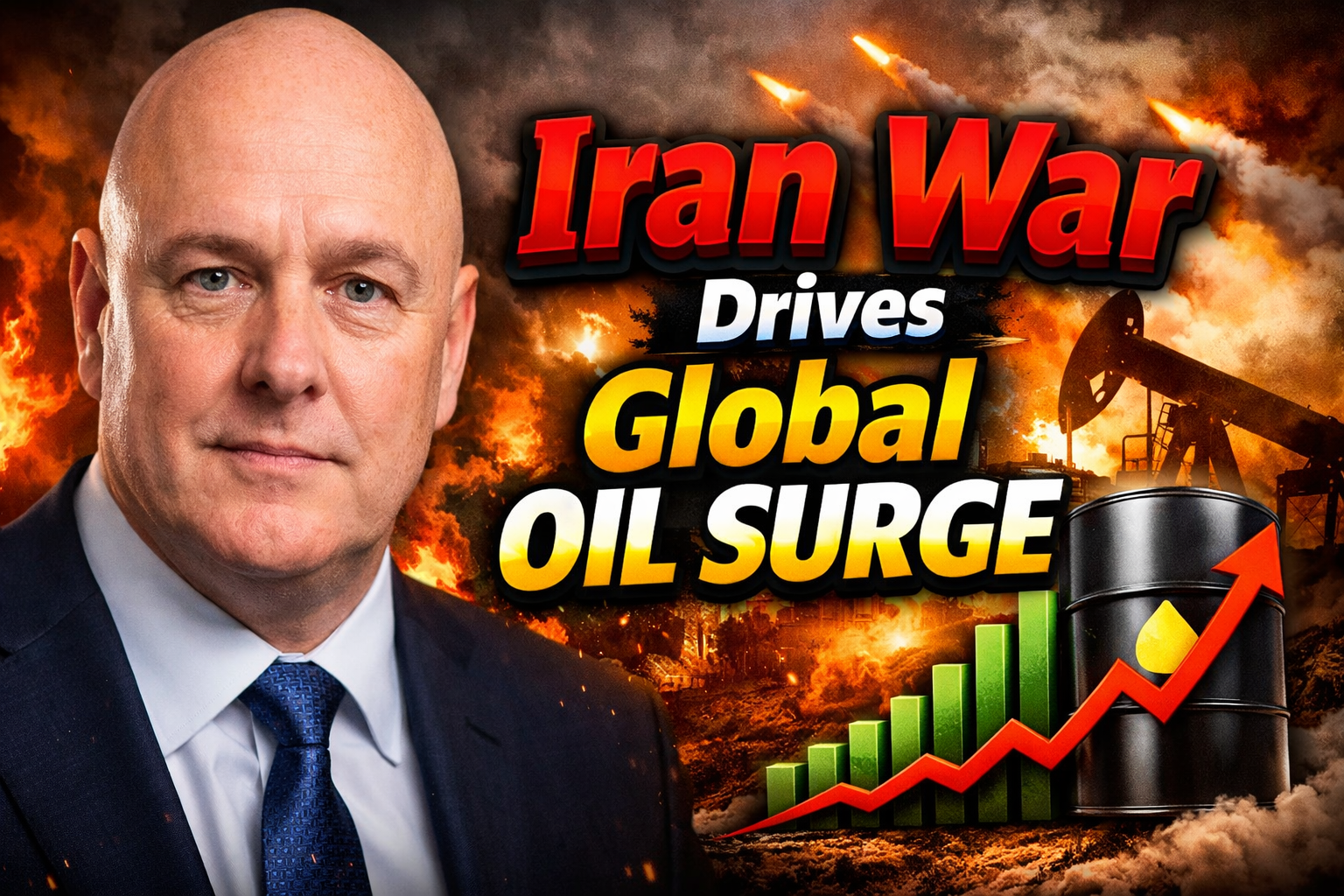
The war began with coordinated strikes by United States and Israeli forces on Iranian military and nuclear facilities, marking a dramatic escalation from longstanding tensions. Iran retaliated by launching missiles and effectively shutting down the Strait of Hormuz, a vital waterway through which nearly one-fifth of the world’s oil passes.
This closure has halted tanker shipments of crude oil, fuel, and liquefied natural gas, prompting major oil companies and trading houses to suspend operations in the region. United States officials report significant losses to Iran’s navy, including twenty ships, while underground ballistic missile sites are now primary targets in the conflict’s second phase.
Civilian impacts are mounting, with strikes affecting infrastructure across the Middle East, including Lebanon and the Persian Gulf. The death of high-ranking Iranian leaders has fueled vows of retaliation, drawing in regional players and complicating diplomatic efforts.
Global Oil Supply Disruptions
The Strait of Hormuz blockade represents a structural threat to energy security, beyond mere shipping delays. Several Gulf oil fields have halted production as precautions against becoming targets, with Iraq announcing shutdowns in key facilities.
Iran’s response has amplified fears, as its oil exports—already limited by sanctions—were poised to ease supply pressures before the war. Analysts note that prolonged closure could slash global flows by half for weeks, pushing markets into panic buying.
OPEC+ nations, including Saudi Arabia and Russia, have pledged to ramp up output by over two hundred thousand barrels per day starting in April, aiming to offset shortfalls. However, damaged infrastructure and heightened insurance costs for tankers are slowing this response.
Historical Oil Price Spikes from Wars
Wars in oil-rich regions have repeatedly caused dramatic surges, providing context for the current crisis. The nineteen seventy-three Arab Oil Embargo tripled prices amid supply embargoes, while the Iranian Revolution nearly doubled them shortly after.
| Conflict | Year | Pre-Conflict Price (USD/bbl) | Peak Price (USD/bbl) | Approximate Increase |
|---|---|---|---|---|
| Arab Oil Embargo | 1973 | 3 | 12 | 300% |
| Iranian Revolution | 1979 | 14 | 39 | 178% |
| Iran-Iraq War | 1980 | 35 | 42 | 20% |
| Gulf War | 1990 | 17 | 36 | 112% |
| Iraq War | 2003 | 25 | 40 | 60% |
| Russia-Ukraine War | 2022 | 75 | 120+ | 60% |
These events show markets pricing in risks rapidly, even before physical shortages materialize, much like today’s trader demands for a substantial risk premium.
Surging Global Oil Prices
Brent crude has skyrocketed, closing above ninety-two dollars per barrel recently after a thirty-five percent weekly gain—the largest in decades. West Texas Intermediate followed suit, nearing eighty-eight dollars, with forecasts now eyeing one hundred dollars if disruptions persist.
Goldman Sachs raised its second-quarter Brent forecast by ten dollars to seventy-six dollars, but recent trading has already surpassed that amid escalating fears. Over the past month, prices have climbed more than thirty percent, outpacing last year’s levels.
Qatar’s warnings of potential Gulf-wide production halts have fueled the rally, as traders brace for worst-case scenarios like extended Hormuz closures.
New Zealand’s Fuel Import Dependence
New Zealand imports all its refined fuel since the Marsden Point refinery closed in twenty twenty-two, making it acutely sensitive to global shocks. Primary sources are South Korea at forty-eight percent and Singapore at thirty-three percent of import value, both reliant on Middle Eastern crude from Saudi Arabia and the UAE.
| Top Fuel Import Sources (12 months to March 2025) | Share of Value |
|---|---|
| South Korea | 48% |
| Singapore | 33% |
| Others (Australia, Saudi Arabia, etc.) | 19% |
A weaker New Zealand dollar exacerbates costs, alongside rising shipping and insurance premiums from the conflict. Dubai crude, the local benchmark, mirrors these Middle East pressures directly.
Petrol Price Surge Across New Zealand
Ninety-five octane petrol has breached three dollars per litre in areas like Kapiti, Fox Glacier, and Greymouth, with national averages for ninety-one climbing toward two dollars sixty-six cents.
Kapiti stations saw eight to fifteen cent weekly hikes, outpacing Wellington’s four cents. Experts predict thirty cents more per litre soon if oil hits one hundred dollars, pushing ninety-five to three dollars twenty or higher.
| Recent Regional Price Examples (95 Octane) | Price (NZD/litre) |
|---|---|
| Z Kapiti Road | 3.019 |
| g.a.s Waikanae | 3.059 |
| NPD Fox Glacier | 3.089 |
| Wellington (Mobil Karori) | 2.79 |
Consumers report strategic filling to beat rises, echoing Ukraine invasion patterns when prices topped three dollars before excise tax cuts.
Economic Ripple Effects
Higher diesel costs threaten transport and business expenses, risking inflation spikes that delay targets. Households face tighter budgets, with retirees like those in Otaki adapting by stockpiling.
Commercial sectors may pass on costs, amplifying pressures in a supply-chain dependent economy. Fuel’s role in powering goods movement underscores the need for diversified sources long-term.
Government and Industry Responses
Oil companies like Z and BP adjust prices daily based on global refined fuel costs, local competition, and forex rates. Past crises saw temporary excise tax halving; similar measures could reemerge if averages sustain highs.
Calls grow for strategic reserves release or import diversification, though Asia’s refineries tie New Zealand inescapably to Gulf stability. OPEC+ boosts offer some relief, but experts doubt quick reversals.
Future Outlook and Coping Strategies
Resolution hinges on de-escalation, but ground invasion debates and infrastructure damage suggest weeks of elevated prices. Kiwis can mitigate by comparing apps like Gaspy, carpooling, or accelerating electric vehicle shifts.

Lance Evans is a contributor at CSKHYBER.co.nz covering New Zealand and Australia news, with a focus on trending updates and public-interest stories.