
Australia’s beaches claim lives yearly, but heroic rescuers turn tragedy into triumph along the Mid North Coast in 2026. Dramatic interventions by surf lifesavers highlight vigilance amid hazardous swells, saving dozens from rips and rogue waves. Safety alerts urge swimmers to heed flags, signs, and conditions in this popular stretch from Forster to Coffs Harbour.
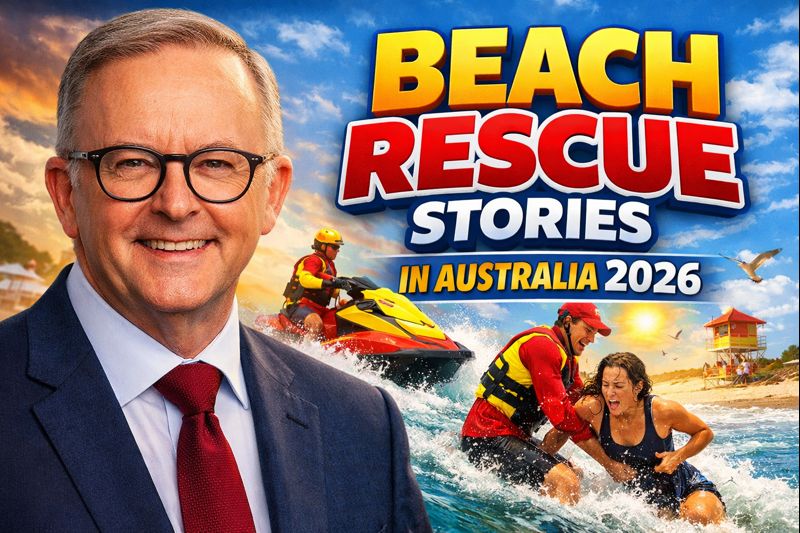
Mid North Coast Beach Profile
Stretching 300 kilometers north from Sydney, the Mid North Coast boasts pristine sands like Dunbogan, Crowdy Head, and Old Bar, drawing families, surfers, and tourists. Pristine waters lure swimmers, but treacherous rips, shark patrols, and sudden swells pose perils. Patrolled beaches operate seasonally, with volunteers logging thousands of preventive actions annually.
Summer peaks risks—Bureau of Meteorology warnings flagged hazardous surf from Victorian border to Wooli through early January. Strong winds whipped waves to three meters, closing dozens of sites. Local councils ramped signage, drones monitored crowds, and apps broadcast real-time hazards.
Tragic Dunbogan Rescue Story
January 1 dawned horrifically at Dunbogan Beach near Port Macquarie. Forty-five-year-old Melissa Austin, visiting from Berowra Heights, entered unpatrolled waters with her young son around 3pm. A massive rip swept them seaward; Austin thrust her boy shoreward to bystanders before vanishing in the foam.
Beachgoers initiated CPR on the child as Surf Life Saving Support Operations scrambled jetskis and helicopters. Lifeguards from nearby clubs arrived swiftly, stabilizing Austin unresponsive from depths. Paramedics battled futilely; she passed, hailed a hero for her sacrifice. Her son survived, crediting her push and public aid.
This underscored remote beach dangers—unflagged zones multiply risks threefold. Surf Life Saving NSW CEO Steve Pearce called it “absolutely horrendous,” amid statewide drownings.
Crowdy Head Rip Drama
Days later at Crowdy Head, a family of four battled a notorious channel rip. Father and three kids drifted half a kilometer offshore; surfers spotted flailing arms, paddling into churning seas. They hauled the group onto boards, signaling patrol skis inbound.
Lifeguards administered oxygen, whisking them to ambulances. No serious injuries, but exhaustion highlighted rip education gaps. Captains noted 80 percent of rescues stem from these invisible currents, pulling seaward strongest mid-beach.
Old Bar Multirescue Frenzy
Old Bar Beach witnessed chaos January 3: twenty swimmers, mostly tourists, ensnared in dual rips during 2.5-meter swells. Tower spotters raised red flags; IRB crews launched amid whitecaps. Rescuers navigated foam, plucking ten via rescue tubes, five by boards.
A young girl clung desperately; lifeguard dove, surfacing with her atop shoulders. Drones pinpointed stragglers, preventing escalation. Post-op, crews educated crowds on “slip, slop, slap, seek shade—and swim between flags.”
Stats from the frenzy:
| Rescue Detail | Number Affected | Method Used |
|---|---|---|
| Initial Spotting | 20 swimmers | Tower/Drones |
| Direct Pulls | 15 | IRBs/Tubes |
| Board Assists | 5 | Surfboards |
| Medical Follow-up | 8 | Oxygen/Checks |
Statewide Context 2026
New South Wales tallied over 195 rescues since Christmas, 83,000 preventives. Sydney’s Maroubra claimed a 25-year-old woman swept from rocks; Coogee saw off-duty heroes save two amid missing swimmer hunts. Queensland’s Whitehaven felled an Irish tourist; WA’s Trigg a 12-year-old girl.
Surf Life Saving urged rethinking “between the flags”—remote swims kill disproportionately. New Year’s drown risk triples average days.
Common Hazards Exposed
Rips dominate Mid North Coast threats: invisible rivers draining surf, accelerating to 4 km/h. Sharks patrol deeper channels, though nets deter. Rock platforms like Dunbogan’s turn deadly with sneaker waves; unpatrolled stretches lack eyes.
Summer crowds swell post-holiday; alcohol impairs judgment. International visitors underestimate Aussie surf, inflating stats—60 percent drownings non-residents.
| Hazard Type | Prevalence | Prevention Tip |
|---|---|---|
| Rips | 80% | Float, signal, swim parallel |
| Rogue Waves | 15% | Avoid rocks at high tide |
| Currents | 5% | Check apps for forecasts |
Heroic Lifesaver Profiles
Volunteer Matt Reilly, Old Bar veteran, embodies grit—30-year career, 200+ saves. January 4, he body-surfed a rip victim solo, earning Rotary Resuscitation honors. “Flags are lifelines,” he preaches patrols.
Teen trainee Mia Chen at Crowdy pioneered drone ops, spotting rips invisible from towers. Her quick calls halved response times. Pros credit youth influx revitalizing clubs.
Off-duty acts shine: surfers at Dunbogan bridged gaps till pros arrived. Police plunged clothed at Coogee, exemplifying community backbone.
Safety Alerts and Campaigns
Surf Life Saving’s “Know the Signs” blitz blanketed Mid North Coast: billboards, radio spots, school demos. Red flags mean no-go; yellow supervise kids. Float Don’t Fight mantra teaches rip escape—relax, wave for help.
Bureau alerts closed 68 beaches January 1; apps like BeachSafe beamed hazards. Drones enforced patrols, fining flag-runners. “Horrendous” toll spurred rethink—target unpatrolled swims via signage, apps.
Helicopters like Westpac logged 50+ lifts, bridging remote gaps. Partnerships with NPWS flagged national park perils.
Community Resilience Building
Clubs host rip clinics, free swims. Councils fund towers, jetskis; tourism operators mandate briefings. Schools embed water safety, cutting youth incidents 40 percent.
Post-Dunbogan vigils honored Austin, fundraising club gear. “Heroes among us,” locals say, blending grief with resolve.
Lessons from the Waves
2026’s rescues affirm prevention’s power—195 saves versus mounting tragedies. Mid North Coast tales—from Austin’s valor to mass pulls—underscore flags, vigilance, education. Heed alerts; embrace heroes patrolling paradise.

Lance Evans is a contributor at CSKHYBER.co.nz covering New Zealand and Australia news, with a focus on trending updates and public-interest stories.