
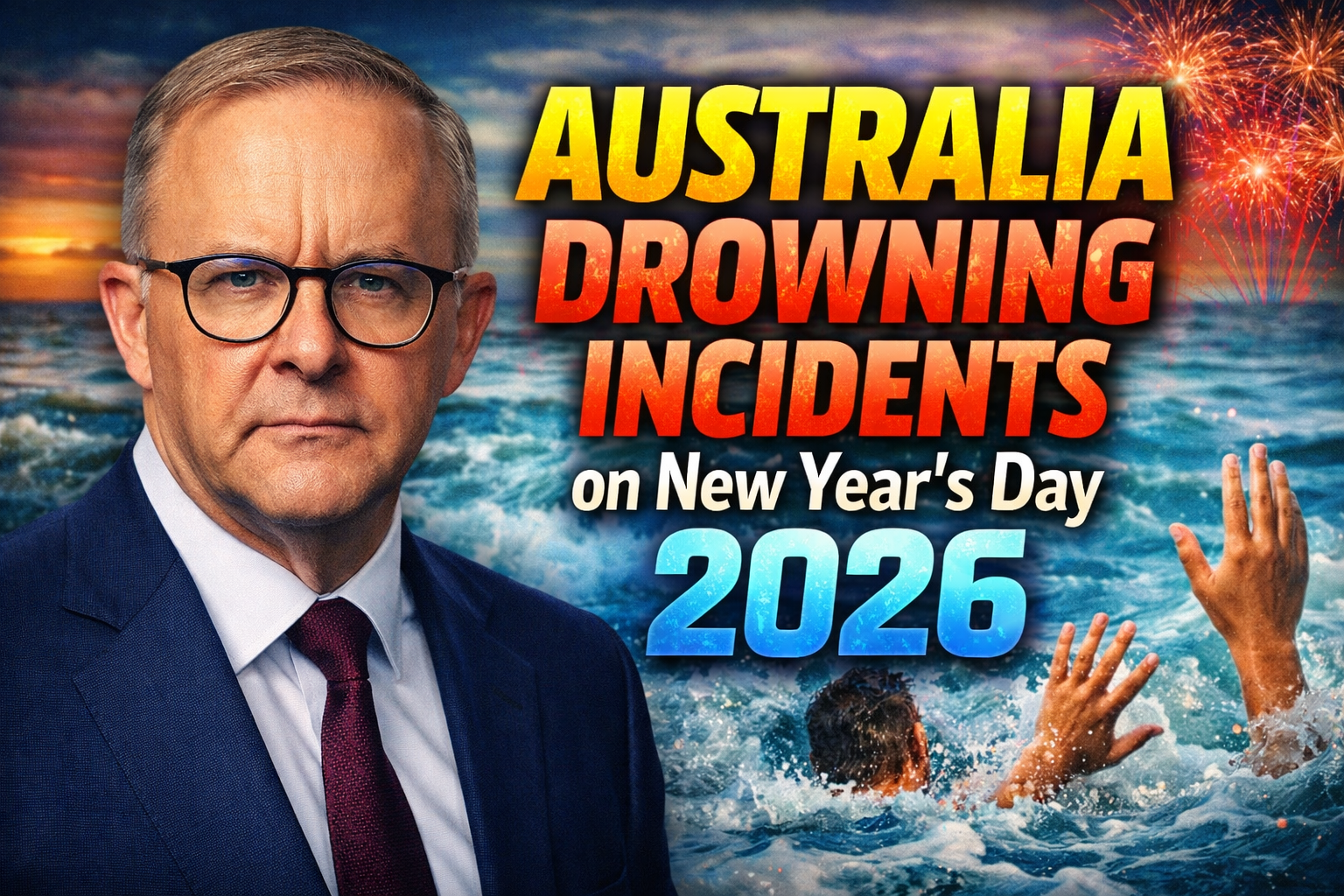
New Year’s Day began with alarm bells ringing early in Sydney’s eastern suburbs. At Maroubra Beach, emergency services rushed to the scene around four in the morning after reports of a person swept out to sea by a powerful wave. A twenty-five-year-old woman, believed to be a visitor, had been knocked into a tidal pool and carried further offshore. Despite a swift search involving multiple agencies, her body was recovered about an hour later, marking the first confirmed drowning of the day.
Just two hours later, at nearby Coogee Beach, another crisis erupted around six in the morning. A man in his twenties struggled in the pounding swell, part of a group caught in a massive rip current. Off-duty lifesavers and police officers sprang into action, managing to bring three people safely to shore. Tragically, the young man could not be located despite extensive searches by Surf Life Saving teams, leaving his fate uncertain as operations continued through the day.
Further north on the Mid North Coast, the sorrow deepened in the afternoon. At Dunbogan Beach, near Port Macquarie, a forty-five-year-old woman was reported struggling in the water just before three in the afternoon. Paramedics battled to revive her after she was pulled from the surf, but she succumbed to her injuries. This incident highlighted the relentless dangers persisting beyond Sydney.
Compounding the grief, searches persisted for a fourteen-year-old boy missing since New Year’s Eve when his boat capsized off Palm Beach in Sydney’s northern beaches. One adult from the vessel was rescued from rocks, but another man pulled from the water could not be revived. Meanwhile, in Queensland’s Whitsundays, a thirty-five-year-old Irish tourist was found unresponsive at Whitehaven Beach late on New Year’s Eve, with no lifeguards present to intervene promptly.
Broader Statistical Context
These events are not isolated but part of a grim holiday pattern in Australia. The period from Christmas to New Year’s consistently ranks as the deadliest for drownings nationwide. Recent national reports indicate hundreds of waterway fatalities annually, with coastal locations accounting for nearly half. Public holidays like New Year’s Day see drowning risks spike dramatically, often three times higher than average weekdays due to crowds, alcohol, and relaxed vigilance.
Historical data reveals stark trends. Over the past decade, the summer holiday week claims dozens of lives, far exceeding other periods. Beaches witness the majority of these tragedies, driven by rips, large waves, and unpatrolled areas. Older adults and visitors from overseas feature prominently among victims, underscoring vulnerabilities in swimming skills and local knowledge.
| Incident Location | Time | Victims | Status | Key Factor |
|---|---|---|---|---|
| Maroubra Beach, Sydney | 4 AM | 25-year-old woman | Deceased | Wave sweep into rip |
| Coogee Beach, Sydney | 6 AM | Man in 20s | Missing | Rip current in group |
| Dunbogan Beach, NSW | 3 PM | 45-year-old woman | Deceased | Struggling swimmer |
| Palm Beach, Sydney | NYE | 14-year-old boy | Missing | Boat capsizing |
| Whitehaven Beach, QLD | 11 AM NYE | 35-year-old Irish man | Deceased | Unsupervised swim |
This table summarizes the core incidents, illustrating their rapid succession and shared coastal hazards.
Weather and Surf Conditions
Massive swells battered the east coast, fueled by a low-pressure system off the shore. Surf Life Saving closed over sixty beaches, including popular spots like Bronte, Tamarama, and Coogee, due to hazardous conditions. Reports described waves exceeding typical heights, creating powerful rips that dragged swimmers seaward. Holiday crowds ignored warnings, amplifying the risks amid post-celebration fatigue.
Such conditions are common during summer public holidays, when warm weather draws thousands to the water. Yet, dynamic coastal environments—strong currents, sudden tide changes, and hidden sandbars—turn paradise into peril without precautions.
Rescue Efforts and Official Warnings
Surf Life Saving NSW conducted dozens of rescues in the preceding week, saving lives through proactive patrols. On New Year’s Day alone, nineteen coastal operations unfolded in Sydney waters. Chief executives urged the public to avoid closed beaches, emphasizing, “Do not enter the water if flags are down.” Helicopters, jet skis, and drones aided searches, but rough seas hampered progress.
Authorities highlighted the deadliest holiday stretch, pleading for caution. Over sixty beaches remained shuttered, with tactical responses including armed patrols at vantage points following recent threats. Lifesavers credited off-duty heroes for several saves, underscoring community vigilance.
Underlying Risk Factors
Alcohol features heavily in holiday drownings, impairing judgment and swimming ability. Visitors, comprising a third of victims, often lack familiarity with Australian rips—the primary killer at beaches. Aging demographics face heightened dangers from health issues and medications reducing mobility. Regional and remote areas report triple the rates, with unpatrolled sites like Whitehaven posing silent threats due to limited phone service and distant help.
Multicultural communities grapple with lower water safety knowledge, while spontaneous plans disrupt routines. National data shows disadvantaged areas doubling risks, blending socioeconomic and environmental challenges.
Prevention Strategies for Beachgoers
Swim between the flags where patrolled, and never alone. Learn to spot rips—dark, calm channels amid breaking waves—and float, don’t fight, to escape. Avoid alcohol near water; even small amounts multiply dangers. Children demand constant supervision within arm’s reach, and overseas-born swimmers should prioritize lessons.
Communities benefit from education campaigns, signage in multiple languages, and alcohol restrictions at beaches. Governments push strategies like the Australian Water Safety plan, targeting high-risk periods with awareness drives.
Lessons from a Somber Start
These incidents cast a shadow over New Year’s festivities, reminding all of water’s unforgiving power. Four confirmed deaths and two missing persons demand reflection on complacency. Families mourn, first responders grieve, yet collective action can stem the tide.
As Australia heals, renewed commitment to safety promises brighter holidays ahead. Heed the warnings, respect the ocean, and honor the lost by preventing tomorrow’s tragedies. Beaches await, but only for those who approach wisely.

Lance Evans is a contributor at CSKHYBER.co.nz covering New Zealand and Australia news, with a focus on trending updates and public-interest stories.