

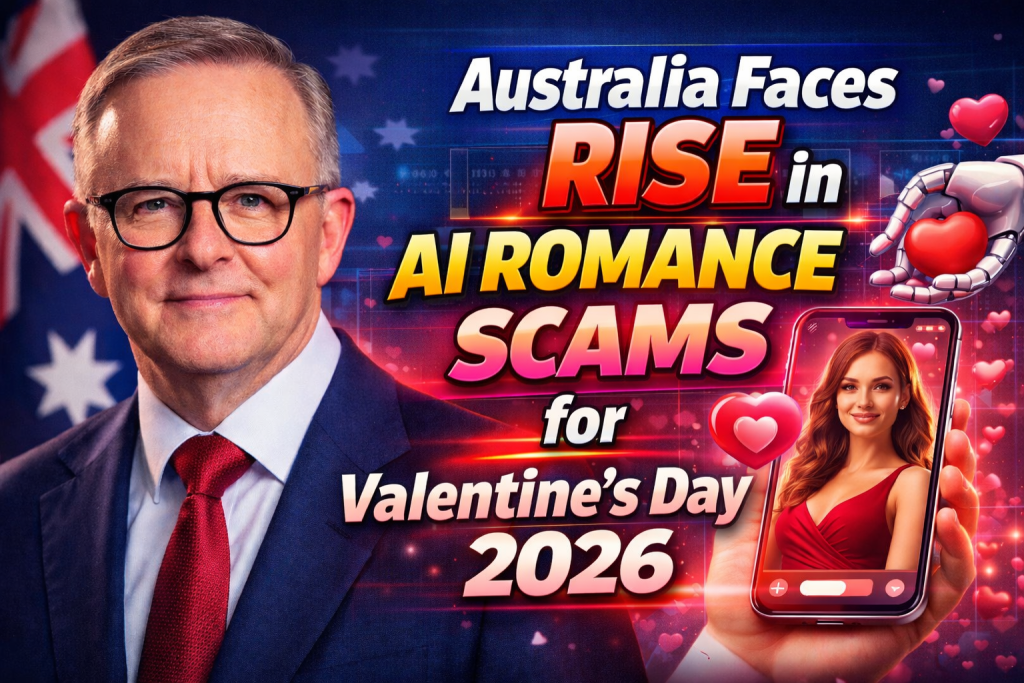
A surge in AI-powered romance scams is casting a shadow over Valentine’s Day 2026, with Australians losing millions to sophisticated deepfake suitors promising love but delivering heartbreak. These digital Casanovas, armed with hyper-realistic chatbots and video calls, exploit loneliness and the holiday’s romance hype, prompting urgent warnings from authorities.
The Alarming Rise of Digital Heartbreakers
Romance scams have long preyed on the hopeful, but 2026 marks a sinister evolution with artificial intelligence. Scammers now deploy generative AI to craft convincing personas—complete with flirty banter, custom poems, and eerily lifelike video appearances. Australia’s National Anti-Scam Centre reports a forty percent jump in such incidents since last year, coinciding with dating app booms post-pandemic.
Valentine’s Day amplifies risks, as scammers flood platforms like Tinder, Bumble, and Hinge with bots mimicking ideal matches. These aren’t clumsy fakes; advanced models like upgraded ChatGPT variants generate seamless conversations, adapting to victims’ interests in real-time. The result? Faster trust-building and bigger payouts, with average losses climbing to $35,000 per case.
Authorities link this wave to global crime syndicates, often overseas operations using stolen photos and voice cloning. Australia’s isolated dating pool makes it prime territory, especially for those in regional areas seeking connection.
How AI Transforms Scams from Crude to Convincing
Traditional scams relied on stock scripts and poor grammar, but AI erases those tells. Fraudsters feed personal details scraped from social media into large language models, creating profiles that mirror targets’ hobbies, values, and even pet peeves. Deepfake videos show “partners” in romantic settings, lip-syncing sweet nothings with perfect accents.
Voice cloning apps mimic calls, while AI image generators produce vacation snaps or gift unboxings. Scammers escalate quickly: professions of love within weeks, followed by sob stories—medical emergencies, business flops—prompting urgent fund transfers. Crypto wallets or gift cards bypass banks, leaving little trace.
This tech arms low-skill criminals with high-yield tools. One AI bot can juggle dozens of “relationships” simultaneously, scaling losses exponentially.
Heartbreaking Australian Victim Tales
Meet Sarah from Melbourne, a 42-year-old nurse who matched with “Jake,” a charming mining engineer on a popular app. His AI-crafted messages quoted her favorite books; deepfake videos showed him on “oil rigs.” After two months, “Jake” needed $20,000 for a flight home post-“accident.” Sarah remortgaged her home—only to discover the truth when he ghosted.
In Perth, retiree Tom lost $50,000 to “Elena,” whose video calls featured cloned voices pleading family woes in Ukraine. Regional victims like Brisbane’s Lisa, scammed out of $15,000 via fake crypto investments, highlight isolation’s role. These stories, shared via support groups, reveal shattered trust and lingering shame.
Valentine’s Day as Scam Prime Time
February 14 spikes activity, with scammers timing “grand gestures.” Bots send virtual roses, serenade with AI-generated songs, or propose via heartfelt videos. Hype around the holiday—ads, social pressure—lowers guards. Platforms see tenfold profile surges, diluting verification.
Scammers exploit cultural tropes: chocolates, dinners, trips. Post-holiday, they pivot to “breakup recovery” schemes, offering AI therapy chats that extract more data.
Devastating Financial and Emotional Costs
Losses topped $120 million in 2025, projected higher for 2026. Average hits skew older demographics—over-50s lose most—but millennials fall too, via crypto lures. Emotional scars run deeper: depression, divorce, even suicides linked to betrayal.
Support services report doubled caseloads. Victims grapple with self-doubt, fearing judgment from family. One study found ninety percent experience prolonged anxiety.
Key Scam Statistics Table
| Metric | 2025 Figure | 2026 Projection | Change % |
|---|---|---|---|
| Total Losses | $120M | $170M+ | +42 |
| Average Loss per Victim | $28,000 | $35,000 | +25 |
| Reports to Scamwatch | 4,500 | 6,300+ | +40 |
| AI-Deepfake Cases | 1,200 | 3,000+ | +150 |
| Top Age Group Affected | 50-65 (45%) | 50-65 (50%) | – |
| Common Payment Method | Crypto (60%) | Crypto (70%) | +17 |
These figures, drawn from Scamwatch and ACCC trends, underscore the crisis’s acceleration.
Scamwatch Warnings and Spotting Fakes
Scamwatch urges vigilance: rapid love declarations, avoidance of in-person meets, and offshore money pleas scream fraud. Red flags include inconsistent stories, urgency, and profile glitches like unnatural blinking in videos.
Test deepfakes by requesting live actions—recite a phrase backward—or reverse-image searches. Apps now flag suspicious accounts, but scammers evolve.
Crackdown Efforts by Police and Tech
Australian Federal Police launched Operation Valentine Shield, partnering with platforms for AI detection. Arrests rose, targeting syndicates in Southeast Asia. Banks reimburse more victims under mandatory codes.
Tech giants deploy watermarking on AI media and behavioral analytics on chats. Bumble’s AI sniffer blocks twenty percent more bots; Tinder verifies via video selfies.
Essential Protection Tips for Online Daters
Stay safe with these steps:
- Verify via video calls with spontaneity tests.
- Never send money or gift cards—block and report.
- Use reverse image search on photos.
- Limit shared details; meet publicly early.
- Enable two-factor on finance apps.
- Join scam awareness groups for support.
Educate family—grandparents top targets. Apps like Noonlight add safety layers.
Societal Ripples and Demographic Hits Table
| Group Affected | Vulnerability Factors | Reported Incidents | Support Needs |
|---|---|---|---|
| Seniors (50+) | Loneliness, less tech-savvy | 50% | Financial counseling |
| Regional Singles | Fewer local options | 30% | Community meetups |
| Millennials | Crypto familiarity | 15% | Digital literacy |
| Divorced/Widowed | Seeking quick connection | 5% | Mental health access |
This breakdown shows broad exposure, demanding tailored defenses.
Emerging Trends and a Safer Dating Horizon
AI scams will intensify, with multimodal bots blending text, voice, and AR dates. Yet countermeasures advance: blockchain IDs, emotional AI detectors. Regulators eye mandatory disclosures for AI interactions.
Valentine’s 2026 tests Australia’s resilience. Awareness campaigns flood media, urging “love slowly.” Dating shifts toward hybrid real-virtual meets.
Reclaiming Romance in the AI Age
This scam epidemic wounds hearts and wallets, but knowledge empowers. By questioning perfection, verifying fiercely, and prioritizing real connections, Australians can outsmart fraudsters. Valentine’s Day shines brightest offline—over coffee with a vetted match, not a screen. Love wins when lies lose their grip.

Lance Evans is a contributor at CSKHYBER.co.nz covering New Zealand and Australia news, with a focus on trending updates and public-interest stories.