

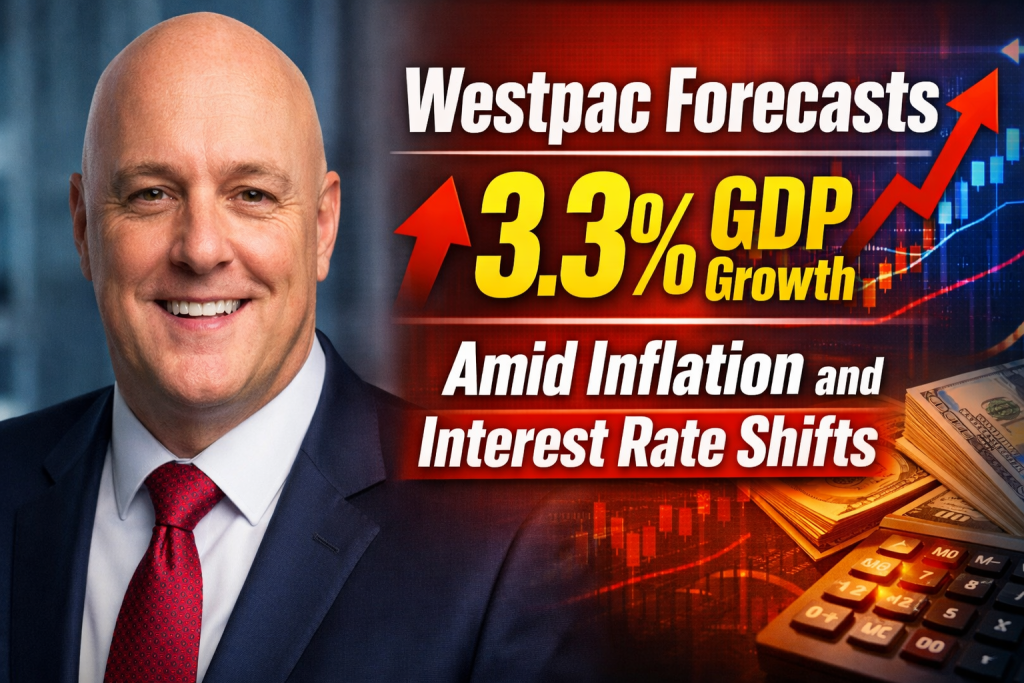
New Zealand’s economy shows signs of shaking off its recent sluggishness, with Westpac economists forecasting a robust 3.3 percent GDP growth for 2026. This projection comes after a modest 1.8 percent expansion in 2025, signaling a return to above-trend performance driven by falling interest rates, strong exports, and rising business confidence. Chief economist Kelly Eckhold describes the nation as being on “firmer footing,” crediting low short-term borrowing costs and resilient global demand for commodities.
Households and businesses stand to benefit as unemployment eases and consumer spending picks up, though persistent inflation pressures and potential rate hikes loom as hurdles. The outlook paints an optimistic picture for Aotearoa, where dairy booms, horticultural gains, and infrastructure investments fuel momentum. Yet, in a world of geopolitical flux and election uncertainties, this growth path demands vigilant navigation to ensure broad-based prosperity.
Foundations from 2025 Recovery
Last year marked a turning point after contractions in prior periods, with growth accelerating in the second half thanks to stimulative monetary policy and export resilience. The Reserve Bank held the Official Cash Rate steady at 2.25 percent, allowing average borrowing costs to decline and easing pressures on mortgage holders. Business surveys reflected this shift, with confidence metrics climbing as job ads proliferated.
Exports played a starring role, growing three percent in volume amid firm dairy prices and horticulture surges. International travel rebounded, bolstering tourism-dependent regions, while machinery and metal shipments added diversity. The external deficit narrowed, providing macroeconomic stability. These tailwinds set the stage for 2026 acceleration, transforming a soft patch into sustained expansion.
GDP Growth Projections
Westpac anticipates annual GDP growth hitting 3.3 percent in 2026, up sharply from 2025’s 1.8 percent, before moderating to 2.7 percent in 2027. This trajectory outpaces many peers, positioning New Zealand ahead of Australia’s expected two percent clip. Quarterly momentum builds through the year, supported by private consumption rebounding as real incomes rise.
Key contributors include a broad-based upturn: household spending lifts with wage gains, while business investment surges under government incentives like accelerated depreciation. Public spending remains steady, though fiscal tightening tempers gains mid-year. By late 2026, spare capacity erodes, prompting policy normalization, but the overall expansion fosters optimism across sectors.
| Year | GDP Growth Forecast | Key Drivers |
|---|---|---|
| 2025 | 1.8% | Exports, rate cuts |
| 2026 | 3.3% | Investment, consumption |
| 2027 | 2.7% | Labour market, exports |
This table summarizes the phased recovery, highlighting interdependent boosts.
Inflation Dynamics and Rate Outlook
Inflation hovers at 3.1 percent annually but trends downward to 2.3 percent by year-end, as food and fuel price spikes fade. Underlying pressures persist from a tightening economy, yet the Reserve Bank’s dovish stance buys time. Short-term rates stay accommodative, with wholesale yields falling further.
Westpac expects the Official Cash Rate to nudge up from 2.25 percent to 2.50 percent by December 2026, delaying hikes until late in the year. Subsequent rises accelerate in 2027, peaking at 4.25 percent in 2028 as growth firms. This gradualism supports recovery without derailing it, balancing price stability with expansion.
Labour Market Rebound
Unemployment, at 5.4 percent through 2025, falls below five percent mid-year and hits 4.7 percent by December 2026, dipping to 4.4 percent in 2027. Jobs growth follows confidence lifts, with hiring intentions strongest in agriculture-linked roles. Wage pressures moderate as productivity improves, averting a wage-price spiral.
This healing reduces household stress, boosting retail and services. South Island regions lead gains, buoyed by exports, while urban North Island centres lag slightly due to housing strains. Overall, a healthier workforce underpins consumption-led growth.
Sectoral Bright Spots
Exports remain a powerhouse, with dairy volumes up amid global resilience—trading partners grew 3.2 percent last year. Horticulture and metals shine, narrowing trade gaps. Tourism nears pre-pandemic peaks, aiding hospitality.
Business investment accelerates, particularly in plant and machinery for farming, spurred by tax breaks. Construction stabilizes post-shortage, shifting to maintenance. Housing sees modest activity as rates fall, though supply constraints persist. Retail and services thrive on employment gains, creating a virtuous cycle.
Key Risks on the Horizon
Geopolitical tensions—trade frictions, conflicts—threaten commodity prices and supply chains. The 2026 election introduces uncertainty, potentially pausing investment mid-year. Weather events could hit agriculture, while a stronger kiwi dollar might dent export competitiveness.
Inflation surprises or global slowdowns risk earlier rate hikes, crimping growth. Domestically, productivity lags and skills shortages challenge scalability. Westpac views these as manageable but stresses diversification to buffer shocks.
Regional and Household Perspectives
South Island outperforms, with export hubs like Timaru and Invercargill thriving on dairy and logs. North Island urban areas benefit from services but grapple with housing costs. Rural communities see fastest income rises.
Households gain most: lower rates cut mortgage bills by hundreds monthly, freeing spending. Lower-income families benefit from job creation, though inequality persists without targeted support. Confidence surveys confirm this uplift, with spending intentions at multi-year highs.
Policy Levers for Businesses and Government
Businesses should capitalize on low rates for capex, focusing on export-oriented upgrades. Government policies like investment boosts amplify this, but fiscal discipline avoids overheating. Immigration tweaks address labour gaps without wage suppression.
Monetary policy fine-tunes growth, with data-dependent Reserve Bank moves key. Trade diversification into Asia and green tech hedges risks. These alignments maximize the 3.3 percent upside.
Sustainability in Global Context
New Zealand’s outlook shines regionally, outpacing Australia via nimbler policy. Globally, resilient partners provide tailwinds, though US-China dynamics warrant watch. Long-term, productivity reforms—tech adoption, education—sustain gains beyond 2027.
This forecast embodies cautious optimism: 2026 delivers relief after lean years, rewarding resilience. For Aotearoa, harnessing exports, investment, and low rates charts a prosperous path, provided agility meets emerging challenges head-on.

Lance Evans is a contributor at CSKHYBER.co.nz covering New Zealand and Australia news, with a focus on trending updates and public-interest stories.