
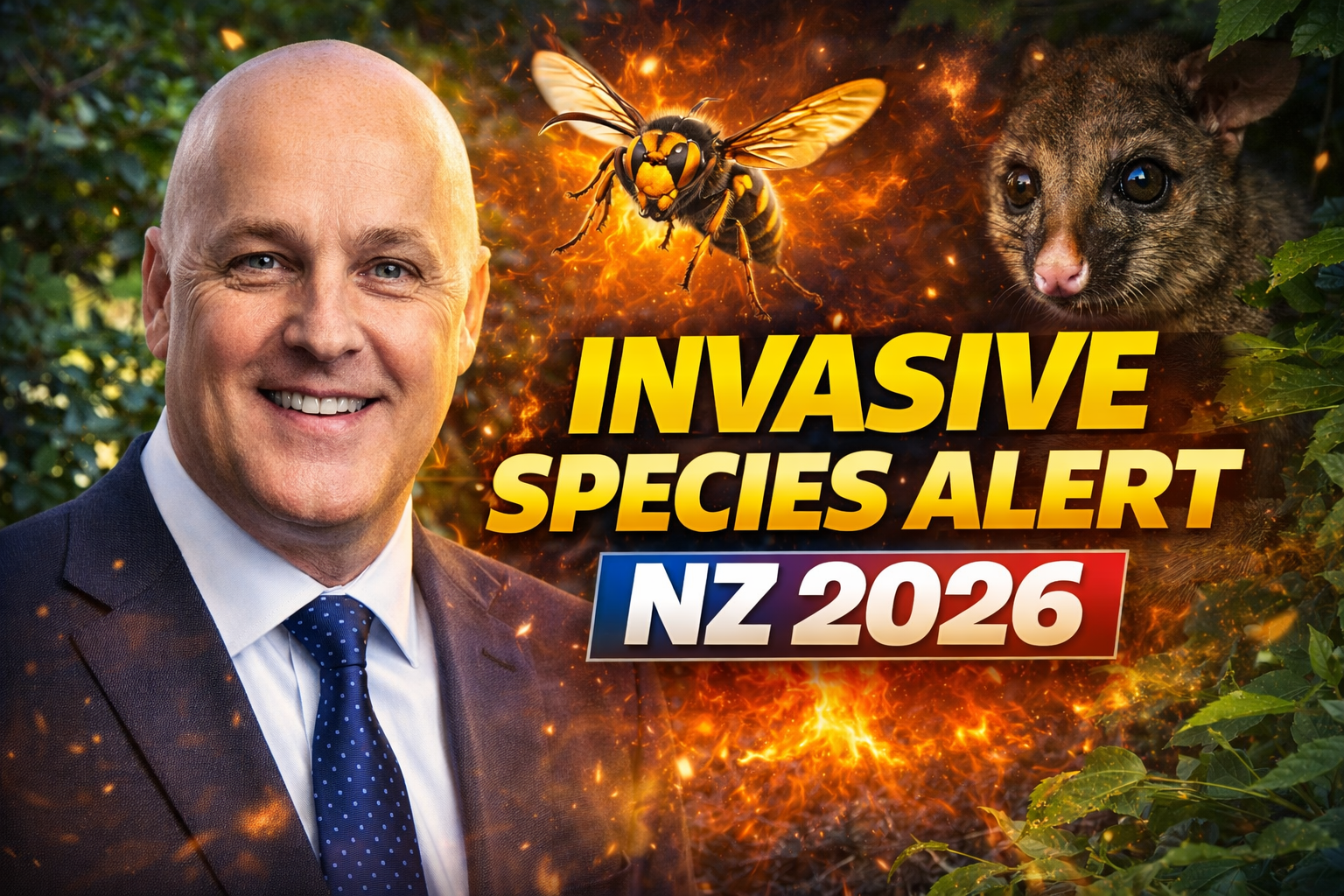
Auckland residents are on high alert as yellow-legged hornet sightings escalate into early 2026. This aggressive invasive species threatens native pollinators and ecosystems, prompting a massive biosecurity response.
New Zealand’s delicate biodiversity faces a new invader with the yellow-legged hornet, Vespa velutina, confirmed in Auckland’s North Shore suburbs. First detected late last year, sightings have surged, with queens and nests found in Glenfield and Birkdale. Biosecurity New Zealand leads an urgent eradication effort, deploying traps, ground teams, and public appeals. By January 2026, over forty-five queens and multiple nests were confirmed, signaling potential establishment. This hornet preys voraciously on honeybees, endangering agriculture and native insects. Warmer weather amplifies risks, as colonies expand rapidly. Homeowners report anxious vigilance, scanning gardens for the distinctive yellow-legged predators.
What is the Yellow-Legged Hornet
The yellow-legged hornet hails from Southeast Asia, notorious for decimating bee populations in Europe since the early 2000s. Adults measure about three centimeters, with queens larger at four centimeters. Their black body gleams with an orange-red stripe on the abdomen, but the hallmark is vivid yellow legs contrasting darker tarsi. Wings shimmer brown; heads feature orange-brown eyes. Queens overwinter, emerging spring to found nests in tree hollows, eaves, or shrubs. Nests start walnut-sized, ballooning to football proportions by autumn, housing hundreds. Workers forage aggressively, hunting bees at hives and slicing them mid-air. They chew insects into a pulp for larvae, while adults sip nectar or sap.
First Sightings and Spread in Auckland
Detections began October last year with isolated queens on Auckland’s North Shore. By mid-November, nine queens and early nests emerged in Glenfield, plus one in Birkdale, kilometers apart. Public reports topped thousands, filtering to confirmed specimens. Teams found queens with workers and near-emergent adults, indicating nesting success. A possible tenth queen from a photo spurred caution amid social media misidentifications. By late November, over two thousand notifications poured in, with traps hitting one hundred eighty in hotspots. Warmer December rains fueled activity; January 2026 updates tallied forty-five queens, thirty-two tied to nests or evidence. Searches widened to Murrays Bay, parks, and reserves, with protein baits added to lures.
Identification and Common Confusions
Spotting the hornet demands care to avoid false alarms.
- Yellow legs stand out sharply against dark body.
- Orange-red abdominal stripe distinguishes from wasps.
- Larger than German wasps, smaller than cicada killers.
- Queens plump with broader abdomens than workers.
Misidentifications plague reports: German wasps lack yellow legs; Asian paper wasps show slimmer builds. Australian paper wasps mimic size but feature white legs. Photos alone falter post-misuse incidents; officials prioritize specimens or nests. Markets host identification booths, teaching safe reporting without disturbance.
Biosecurity Response and Eradication Efforts
Biosecurity New Zealand mounts a robust campaign. Over one hundred staff scour nesting hotspots: canopies, fences, shrubs. Traps multiply daily, checked rigorously—no catches yet, but grids expand strategically. Ground teams methodically comb zones, prioritizing public tips. Incursions span Glenfield to Birkdale, with surveillance radiating outward. Protein bait traps join fruit-based lures for versatility. Eradication hinges on early queens; mature colonies resist removal. Officials deem public vigilance the sharpest tool, converting nine thousand-plus notifications into actionable leads. Wider operations engage MPI, councils, and volunteers, mirroring past successes like painted apple moth.
Ecological Threats to New Zealand
Yellow-legged hornets ravage pollinators critical to Kiwi ecosystems. Honeybees, already stressed by varroa, face hive raids: hornets perch nearby, ambushing foragers. A single hornet slays dozens hourly, dismantling defenses. Native bees and hoverflies fall prey, disrupting pollination for forests and farms. Fruit growers dread attacks on ripe produce—grapes, kiwifruit vulnerable to scavenging. Established in France, populations halved managed hives; Spain lost thousands yearly. New Zealand’s isolation amplifies stakes: no natural predators curb spread. Models predict nationwide infestation absent intervention, costing millions in controls.
Economic Impacts on Agriculture and Horticulture
Primary industries brace for fallout. Kiwifruit, apples, and berries rely on bees; hornet predation slashes yields. Vineyards report European precedents: damaged grapes fetch lower prices. Apiarists face colony collapses, spiking pollination fees. Government estimates multimillion annual hits if entrenched. Northland and Bay of Plenty orchards, hornet hotspots via modeling, mobilize early. Export protocols tighten, risking trade halts. Winegrowers push biosecurity, fearing label as infested origin.
Regional Hotspots and Spread Risks
Auckland’s North Shore anchors concerns, but vectors loom.
| Suburb/Area | Confirmed Finds | Traps Deployed | Risk Factors |
|---|---|---|---|
| Glenfield | 20+ queens | 100+ | Dense suburbs, gardens |
| Birkdale | 10 queens | 50 | Proximity to parks |
| Murrays Bay | Possible | 30 | Coastal spread potential |
| North Shore | Nests | 180 total | High public reports |
| Wider Auckland | Surveillance | Expanding | Travel, shipping hubs |
Urban density aids concealment; ports invite smuggling via freight. Warmer North Island climates favor establishment. Southward push via hitchhiking threatens Waikato orchards.
Public Role and Safety Guidelines
Communities drive success: over nine thousand reports by January. Report via hotline or app with specimens, clear photos, nest locations. Avoid nests—hornets sting repeatedly, triggering anaphylaxis in sensitive individuals. Wear light clothing, avoid scents; observe from afar. Children and pets stay indoors near alerts. Schools distribute guides; markets demo traits. Do not swat—disturbance scatters queens.
Comparison with Other Invasive Wasps
New Zealand battles multiple foes.
| Species | Origin | Key Threat | Status in NZ |
|---|---|---|---|
| Yellow-Legged Hornet | Asia | Bee predation | Emerging, contained |
| German Wasp | Europe | Nesting, stings | Widespread |
| Asian Paper Wasp | Asia | Aggressive foragers | Established |
| Varroa Mite | Asia | Bee parasite | Managed |
Hornets eclipse wasps in predation efficiency, demanding unique tactics.
Government and Industry Actions
MPI coordinates nationally, allocating funds for traps and teams. Auckland Council boosts patrols; iwi engage marae networks. Apiculture NZ funds hives near traps. Legislation eyes vessel checks from infested nations. Long-term plans map risk zones, fund predators research. International allies share lures from Europe.
Challenges in Eradication
Narrow windows define success: queens vulnerable pre-nesting. Traps underperform on queens; workers evade. Dense vegetation hides nests. Public fatigue risks report drops. Climate warms nesting seasons, overlapping efforts. Budget strains persist amid competing pests.
What Residents Can Do Now
Practical steps empower Aucklanders.
- Inspect eaves, trees weekly for nests.
- Plant bee-friendly natives to bolster pollinators.
- Report promptly: 0800 809 966 or online.
- Support apiary groups with donations.
- Check vehicles, boats for hitchhikers.
- Advocate for biosecurity funding.
Future Outlook and Prevention
Eradication odds favor early action—past incursions succeeded via vigilance. Models predict containment if nests cleared by autumn. Failure risks Europe-scale devastation: billions in losses. National surveillance grids monitor borders; education cements habits. Collaborative resolve—government, industry, public—holds the line against this buzzing menace.

Lance Evans is a contributor at CSKHYBER.co.nz covering New Zealand and Australia news, with a focus on trending updates and public-interest stories.