
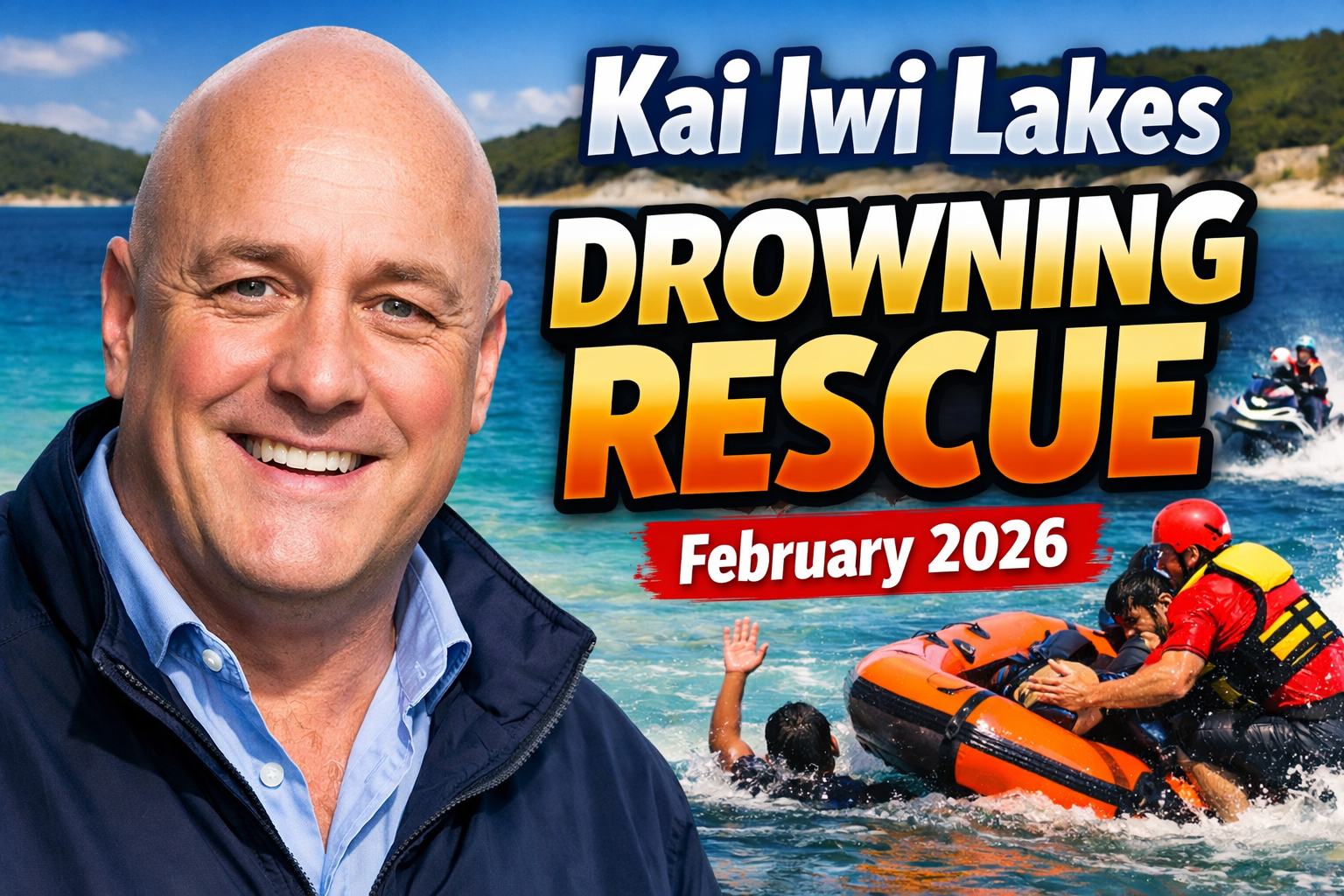
A dramatic drowning rescue at Kai Iwi Lakes in Northland has captured national attention, highlighting the dangers of New Zealand’s popular freshwater spots. Local hero Aaron Stott saved an entire family from tragedy, turning a routine evening walk into a life-saving mission.
Discovering Kai Iwi Lakes
Nestled in the rugged Northland landscape near Dargaville, Kai Iwi Lakes rank among New Zealand’s most stunning dune lakes. Three crystal-clear bodies of water—Taharoa, Kai Iwi, and Pukekohe—draw thousands annually for swimming, kayaking, and bush walks. Pine Beach along Lake Taharoa offers sandy shores perfect for families, but hidden drop-offs and strong undertows lurk beneath the calm surface.
The area falls under the Kaipara District, managed by the Department of Conservation. Free camping spots fill quickly in summer, blending remote beauty with accessibility. Locals cherish it as a taonga, yet its popularity amplifies risks during peak holiday periods. Sudden wind shifts can whip up currents, catching even strong swimmers off guard.
This incident underscores how paradise spots demand respect, especially as February heat waves lure crowds seeking relief.
Timeline of the Dramatic Rescue
The crisis unfolded on a warm evening earlier that February at Lake Taharoa. Around dusk, Aaron Stott, his wife Katy, and a friend strolled Pine Beach when Katy spotted distress in the water. A family of four struggled: parents and two children battling to stay afloat amid choppy conditions.
Stott reacted instantly, stripping off clothes and sprinting into the lake. He reached the group within seconds, prioritizing the youngest child first. Swimming against fatigue, he ferried each member back to shore one by one—the father last, exhausted from supporting his family.
Bystanders assisted with towels and calls to emergency services, but professional responders arrived post-rescue. The entire operation spanned mere minutes, with Stott crediting split-second timing for success. Police later confirmed no further medical needs, releasing all parties unharmed.
Profiles: The Hero and the Family
Aaron Stott, a Haruru father of four, embodies quiet Northland grit. A local builder by trade, he downplays his actions as instinct, shaped by years of coastal living and family beach outings. His wife Katy first raised the alarm, scanning the water while their friend dialed 111. Stott’s physical fitness from manual work proved crucial in the repeated swims.
The rescued family hailed from out of town, enjoying a summer getaway. Details remain private to respect privacy, but reports describe parents in their thirties with school-aged kids. They entered the water casually, unaware of sudden depth changes and rips pulling them offshore. Gratitude poured from the family, who called Stott their guardian angel.
This everyday heroism spotlights ordinary Kiwis stepping up when seconds count.
| Role | Key Actions | Outcome |
|---|---|---|
| Aaron Stott | Swam out, rescued four individually | All saved safely |
| Katy Stott | Spotted distress, raised alarm | Prompted immediate response |
| Family Members | Struggled against currents | Returned to shore shaken |
| Bystanders | Provided aid, called emergency | Supported post-rescue |
Emergency Services Mobilization
Northland responders sprang into coordinated action. Police logged the 111 call around the reported time, dispatching units from Dargaville. Fire and Emergency crews arrived with rescue gear, while Hato Hone St John ambulances stood ready for potential casualties.
The West Coast Rescue Helicopter hovered nearby, scanning for additional victims—a standard protocol for lake incidents. Coastguard volunteers prepped boats, though Stott’s efforts negated water extractions. Incident controllers praised seamless handover, with no hospital transfers needed.
Training drills at similar sites paid dividends, ensuring rapid deployment despite remote location. Response time clocked under fifteen minutes, exemplifying regional preparedness.
Community Hero Worship
Northland erupted in praise for Stott. Media dubbed him a hero, with local papers front-paging his story. Kaipara Mayor Jason Smith lauded community spirit, urging water safety pledges. Social media buzzed with shares, amplifying calls for lifeguard patrols at lakes.
Iwi groups highlighted kaitiakitanga, tying rescue to ancestral guardianship of waters. Schools planned assemblies on bystander intervention, inspiring youth. Stott shunned spotlight, redirecting focus to prevention education.
Fundraisers emerged for family support, reflecting Kiwi solidarity in crises.
Disturbing Drowning Trends
New Zealand faces a grim summer toll, with drownings surging amid heat waves. Water Safety New Zealand tracks incidents, noting lakes contribute significantly due to deceptive calm. February often peaks as holidays extend, blending crowds with fatigue.
Historical data reveals patterns: unsupervised kids, alcohol, and overconfidence top causes. Northland’s toll rivals beaches, with hidden hazards amplifying lethality. National figures show dozens lost yearly, straining emergency resources.
| Incident Type | Common Causes | February Averages |
|---|---|---|
| Lake Drownings | Drop-offs, rips, fatigue | 10-15 cases |
| Family Groups | Parental distraction | 40% of incidents |
| Bystander Rescues | Quick action success rate | 70% survival |
Echoes of Past Kai Iwi Tragedies
Kai Iwi Lakes carry a somber history. A young child drowned there years back despite public CPR efforts, prompting safety upgrades. Other fatalities involved snorkelers and fishers, often from rocks or currents.
Each loss spurs reviews: signage improvements, depth markers, and ranger presence. Patterns persist—beautiful settings mask dangers. This rescue breaks the cycle, offering hope amid recurrence.
Official Probes and Updates
Police classify it non-suspicious, closing active involvement post-interviews. Coroner referral awaits only if complications arise. Department of Conservation assesses site signage, potentially adding flotation devices.
Health officials monitor for secondary issues like hypothermia. No charges anticipated; focus shifts to education campaigns. Latest reports confirm all parties recovered, with Stott resuming normal life.
Essential Prevention Strategies
Visitors must prioritize safety. Swim between flagged areas if patrolled, though lakes lack them—buddy systems rule. Check weather apps for wind shifts creating rips. Life jackets suit non-swimmers, especially kids.
Parents supervise constantly; fatigue hits fast in warm shallows. Learn rip escape: float, signal, swim parallel to shore. Local knowledge trumps apps—ask rangers about hazards.
- Float first, don’t fight currents.
- Teach kids “Reach, Throw, Don’t Go.”
- Avoid alcohol near water.
- Carry charged phones for 111.
- Know CPR basics via free apps.
Tourism and Regional Impact
Incidents test Northland’s draw. Kai Iwi remains packed, but operators push safety messaging. Campsite bookings hold steady, buoyed by rescue tales reinforcing vigilance. Regional promotion pivots to responsible adventure.
Economic ripple favors caution: safer sites sustain longer visits. Iwi-led tours integrate stories, deepening visitor respect.
Path to Safer Summers
This rescue illuminates human potential amid nature’s risks. Stott’s courage, paired with swift response, models excellence. Yet prevention reigns—education saves more than heroics.
Northland commits to enhanced patrols, school programs, and infrastructure. National dialogue grows on mandatory lake safety, honoring lost lives while celebrating saves.

Lance Evans is a contributor at CSKHYBER.co.nz covering New Zealand and Australia news, with a focus on trending updates and public-interest stories.