
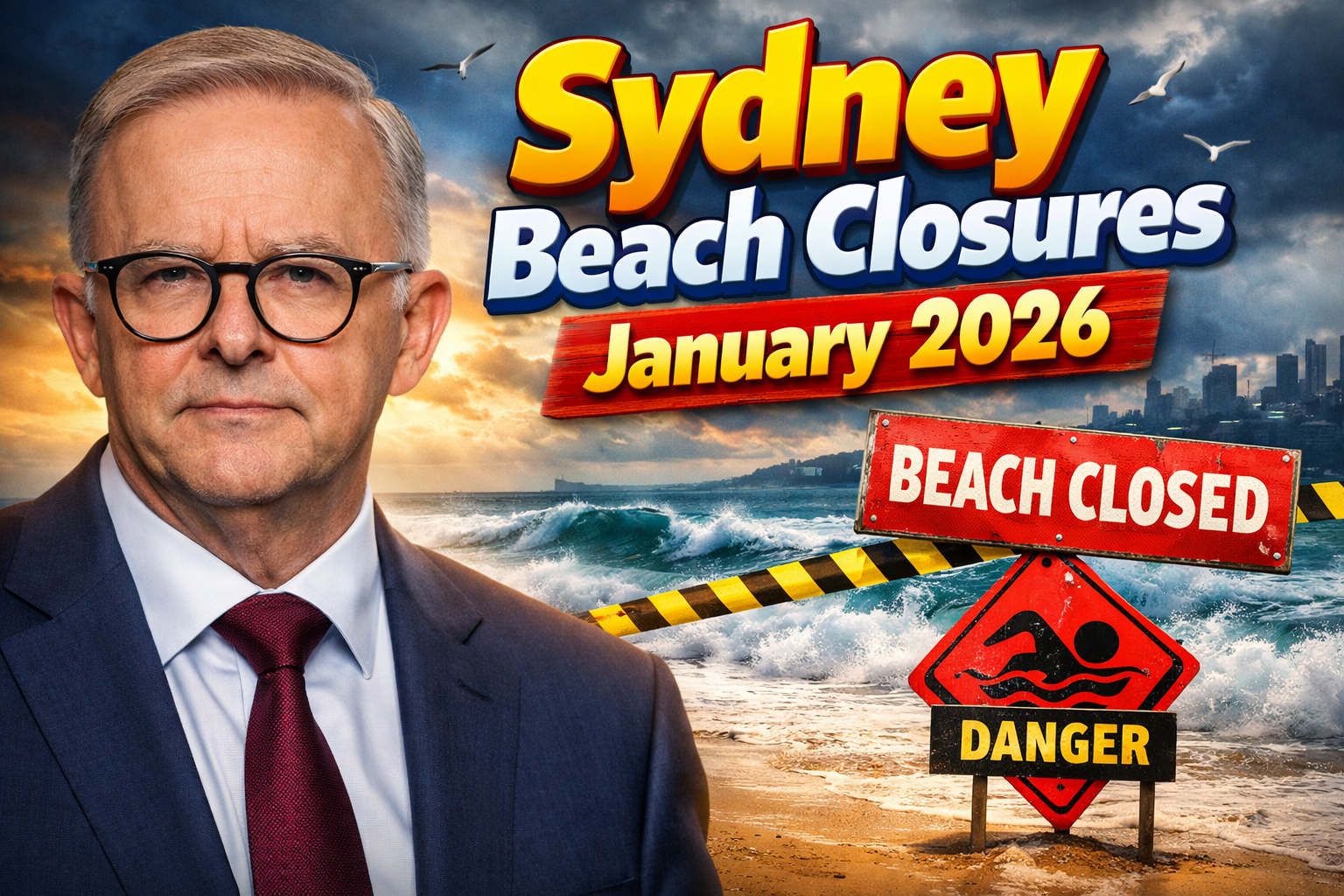
Sydney’s world-famous beaches faced unprecedented closures in January 2026, sparked by the appearance of foul-smelling “poo balls” washing ashore from Bondi to Manly. These greasy, fist-sized clumps, linked directly to massive underground fatbergs, prompted health officials to shutter over twenty popular stretches, robbing swimmers and sunbathers of their summer escapes. Authorities explained the phenomenon as hardened sewage blockages breaking apart in stormwater drains, releasing congealed waste into coastal waters amid heavy rains.
The closures, starting January 15, affected high-traffic spots during peak tourist season, with warnings of bacterial hotspots keeping locals and visitors away. Sydney Water and the Environmental Protection Authority pinned the blame on flushed fats, wipes, and plastics forming fatbergs up to hundreds of meters long.
Incident Overview
Patrols first spotted the poo balls at Coogee Beach, where chocolate-brown spheres littered the sand, emitting a rancid odor that cleared sections by midday. Similar reports flooded in from Bronte, Tamarama, and Clovelly, with beachgoers documenting the greasy orbs on social media before closures kicked in. Water testing revealed elevated E. coli levels exceeding safe swimming thresholds by tenfold, forcing indefinite shutdowns.
By January 20, northern beaches like Dee Why and Palm Beach joined the list after stormwater overflows carried fatberg fragments seaward. Lifeguards reported balls up to softball size, sticky to touch and resistant to rinsing, confirming sewage origins through lab analysis showing human waste markers.
Fatberg Connection
Fatbergs form when cooking fats, oils, and grease solidify in sewers, snagging non-flushable wipes, sanitary products, and plastics into rock-hard masses. In Sydney’s aging pipes, a monster fatberg estimated at two hundred meters lodged beneath eastern suburbs, fragmenting under pressure from record January downpours. Authorities explained how storm surges dislodged chunks, which traveled via overflows into ocean outfalls, breaking into balls upon wave action.
Sydney Water’s sewer cameras captured the beast: a pulsating gray-white plug blocking eighty percent of a major line. Unlike London’s record-breakers, this Australian variant thrived on high-fat household waste post-holiday feasts, amplified by wet wipes marketed as “flushable” but behaving like concrete in pipes.
| Fatberg Component | Source | Contribution to Blockage |
|---|---|---|
| Cooking Grease | Kitchens | 60% mass |
| Wet Wipes | Bathrooms | 25% entanglement |
| Sanitary Items | Households | 10% bulk |
| Plastics/Food Scraps | Drains | 5% filler |
Health and Environmental Risks
Poo balls harbor pathogens like E. coli, salmonella, and enterococci, posing risks of gastrointestinal illness, skin infections, and eye irritation for anyone contacting them. Swimmers faced hepatitis A threats from fecal contamination, while surfers reported rashes from brushing the greasy surfaces. Marine life suffered too, with turtles and fish ingesting balls mistaken for jellyfish, potentially clogging digestive tracts.
Environmental fallout included nutrient overload sparking algal blooms, depleting oxygen and killing seagrass beds vital to coastal ecosystems. Testing showed faecal coliforms at two thousand per hundred milliliters—far above the five hundred safe limit—triggering red flags on Beachwatch monitors. Prolonged exposure threatened Sydney’s billion-dollar tourism draw, with closures persisting until bacteria dropped.
Authority Response
Sydney Water deployed high-pressure jetters and recycling trucks to pulverize the fatberg, extracting over fifty tonnes of waste by January 18. The Environmental Protection Authority issued fines up to fifteen thousand dollars for illegal fat dumping, while beach crews raked and disinfected sands using biodegradable agents. Drones monitored currents for drifting balls, and buoys warned boaters of tainted zones.
Public campaigns urged “bin it, don’t block it,” with multilingual signage at beaches and wastewater treatment plants ramping filtration. Health Minister flagged a task force for pipe upgrades, promising real-time sensors in high-risk sewers by mid-year.
| Response Action | Agency | Timeline |
|---|---|---|
| Fatberg Removal | Sydney Water | Ongoing to Jan 25 |
| Beach Cleaning | Council Teams | Daily until clear |
| Water Testing | EPA | Twice daily |
| Public Alerts | Beachwatch App | Immediate updates |
| Pipe Inspections | NSW Government | By Feb 2026 |
Historical Precedents
Australia has battled fatbergs before: Brisbane’s 2018 blockage under Queen Street Mall halted flows for days, costing millions in emergency digs. Melbourne’s Yarra River saw poo balls in 2022 after floods dislodged a sixty-meter plug from restaurant grease. Sydney itself endured a 2017 Bondi fatberg spanning one hundred fifty meters, blamed on holiday turkey fats.
London’s Thames fatbergs dwarf these—measuring twenty-five meters wide—but share causes: modern wet wipes comprising forty-eight percent of UK blockages mirror Sydney’s wipe surge. Post-2020 hygiene booms, global incidents rose thirty percent, educating on “flushable” myths.
Public Impact
Closures gutted Sydney’s summer economy, with surf schools idle and cafes facing twenty percent revenue dips from empty sands. Tourists rerouted to pools or hinterland spots, while locals grumbled over disrupted routines—morning swims swapped for gym sessions. Social media exploded with #PooBallGate memes, blending outrage and dark humor.
Northern Beaches Council reported three hundred thousand annual visitors affected, prompting refunds for season passes. Families with young kids voiced safety fears, amplifying calls for infrastructure accountability amid climate-driven storms worsening overflows.
| Affected Beach | Visitor Loss Estimate | Economic Hit |
|---|---|---|
| Bondi | 50,000/week | $2M |
| Manly | 30,000/week | $1.2M |
| Coogee | 20,000/week | $800K |
| Total Eastern Suburbs | 150,000/week | $5M+ |
Prevention Strategies
Authorities advocate grease traps in homes and restaurants, capturing fats before drains. Community bins for wipes and sanitary waste expand, with education targeting migrants and renters prone to old habits. Pipe relining with epoxy coatings promises twenty-year durability, budgeted at two hundred million dollars federally.
Smart sewers with flow sensors detect buildups early, alerting crews via apps. Holiday campaigns spike pre-Christmas, urging sink straining and composting. Long-term, biodegradable wipes gain traction, though experts push behavioral shifts over product fixes.
Sydney emerges wiser from this mess, balancing beach bliss with sewer savvy. As cleanup progresses, clearer waters signal hope, but vigilance guards against repeat foul play.

Lance Evans is a contributor at CSKHYBER.co.nz covering New Zealand and Australia news, with a focus on trending updates and public-interest stories.